
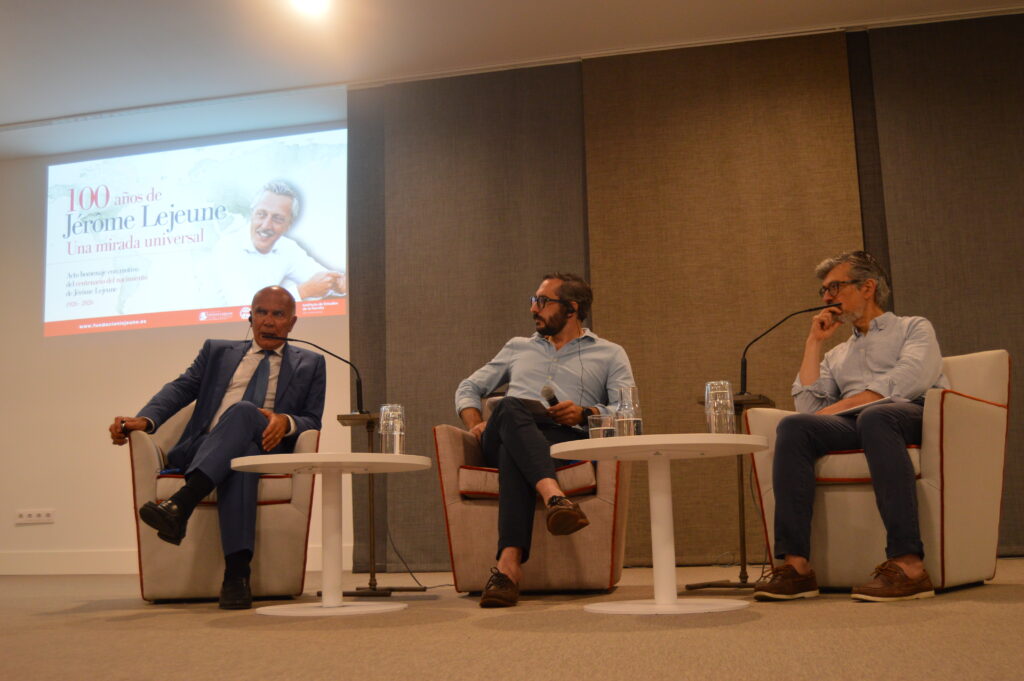
The Jérôme Lejeune Foundation Spain celebrated the centennial of Jérôme Lejeune with a commemorative event in Madrid.
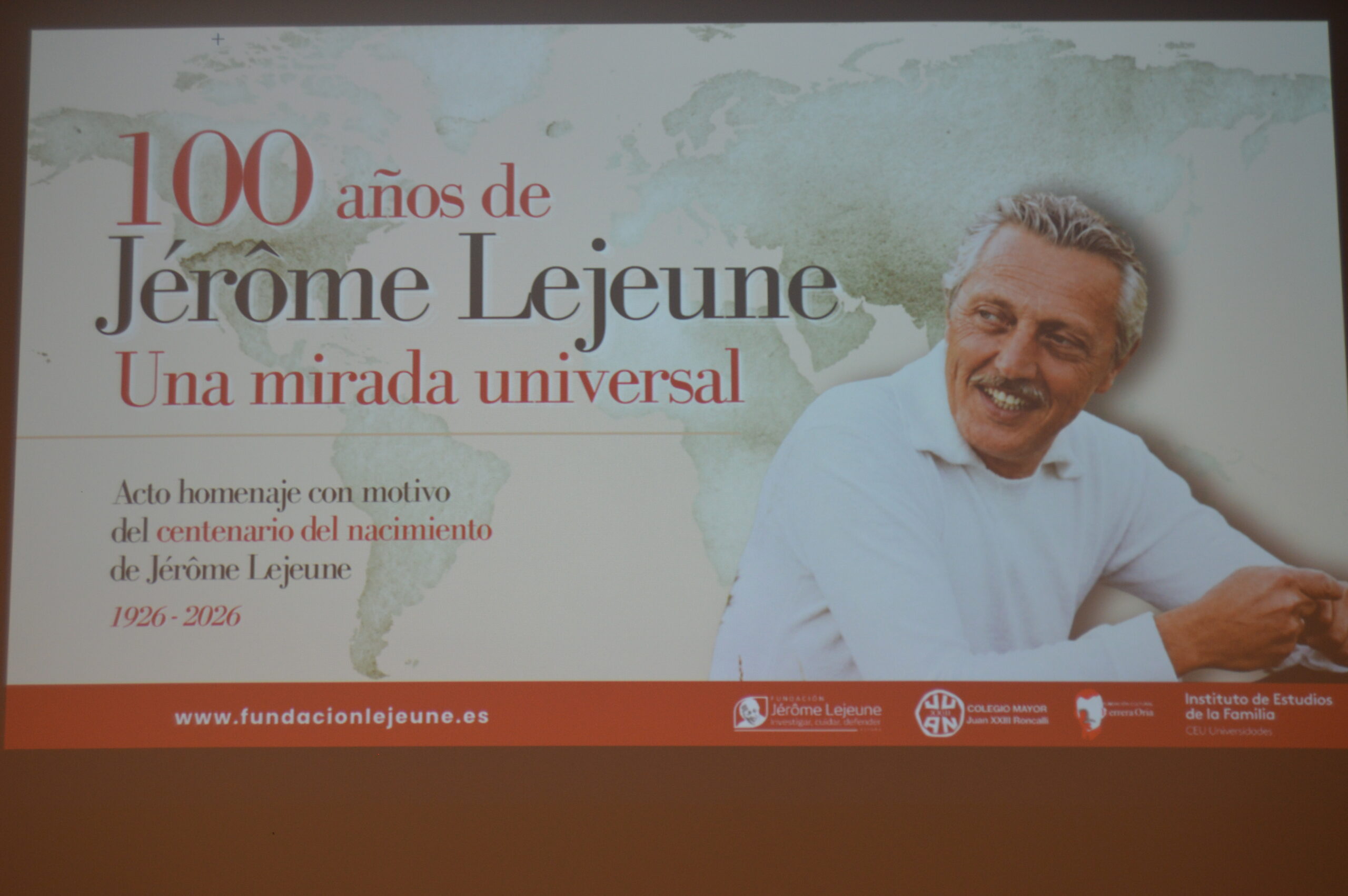
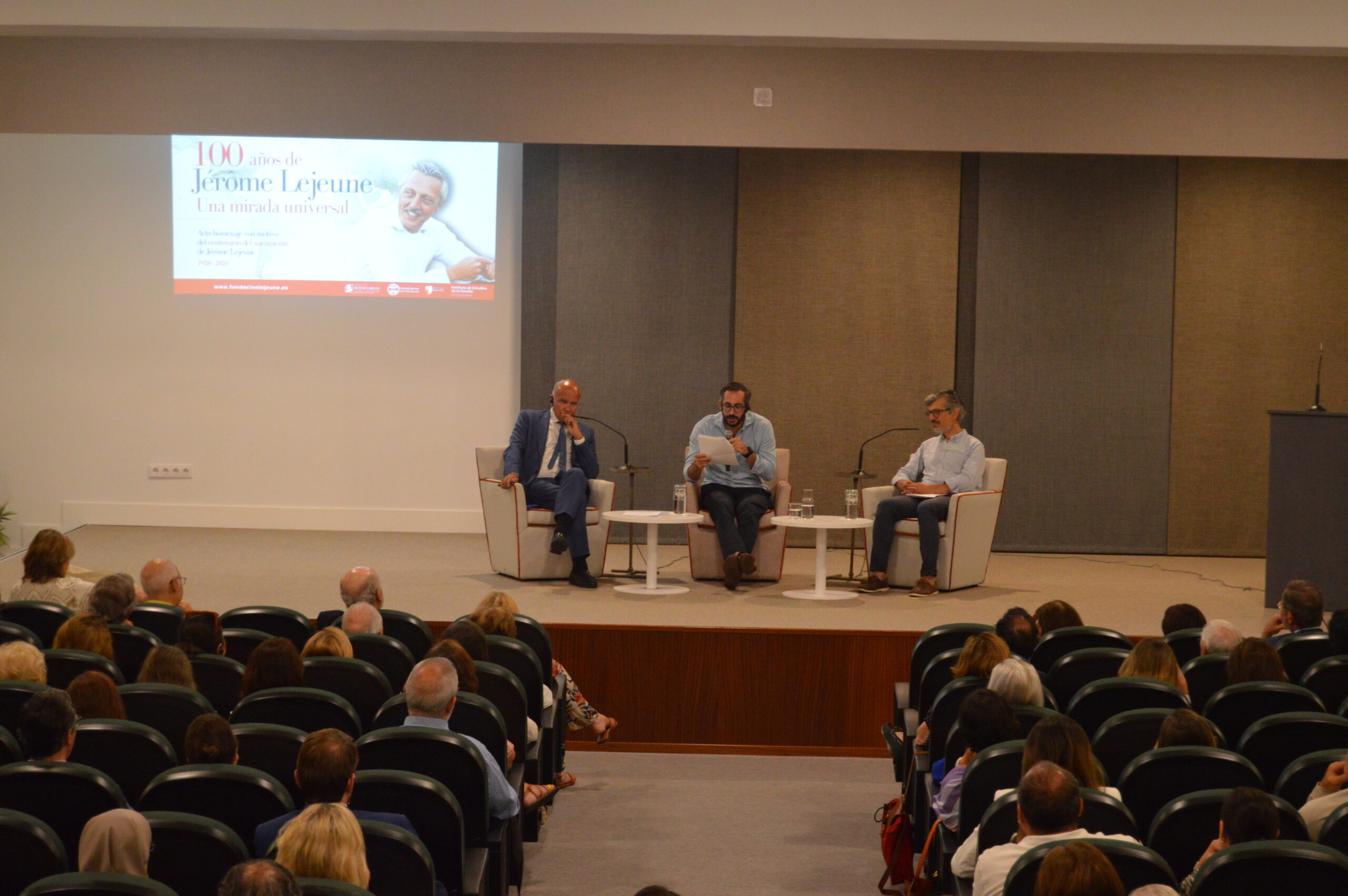
The Jérôme Lejeune Foundation Spain hosted the commemorative event «100 Years of Jérôme Lejeune · A Universal Perspective» in Madrid, marking the centennial of the birth of Professor Jérôme Lejeune, one of the leading figures in 20th-century medical genetics and an international reference in the defense of the dignity of every human life.
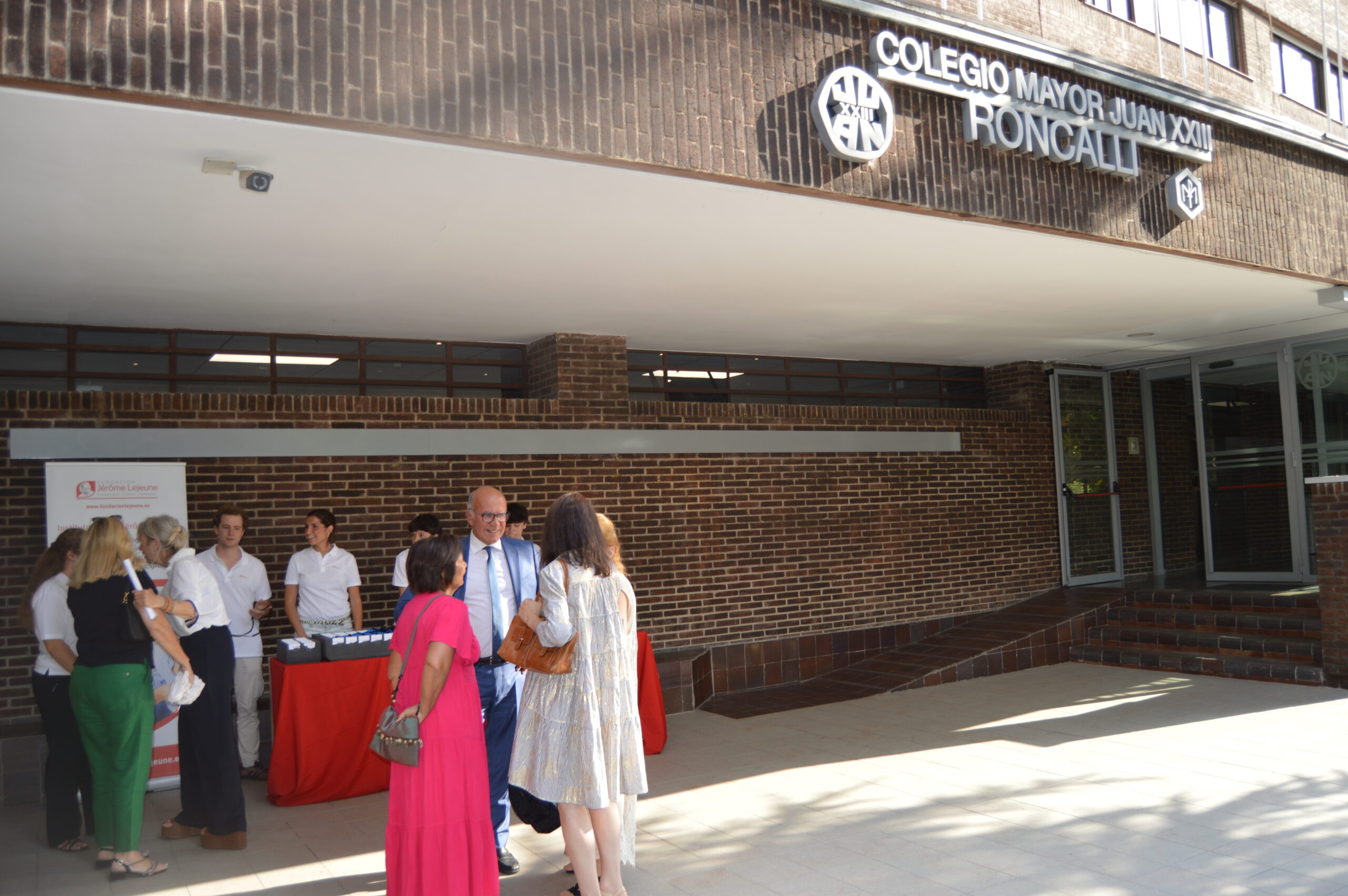
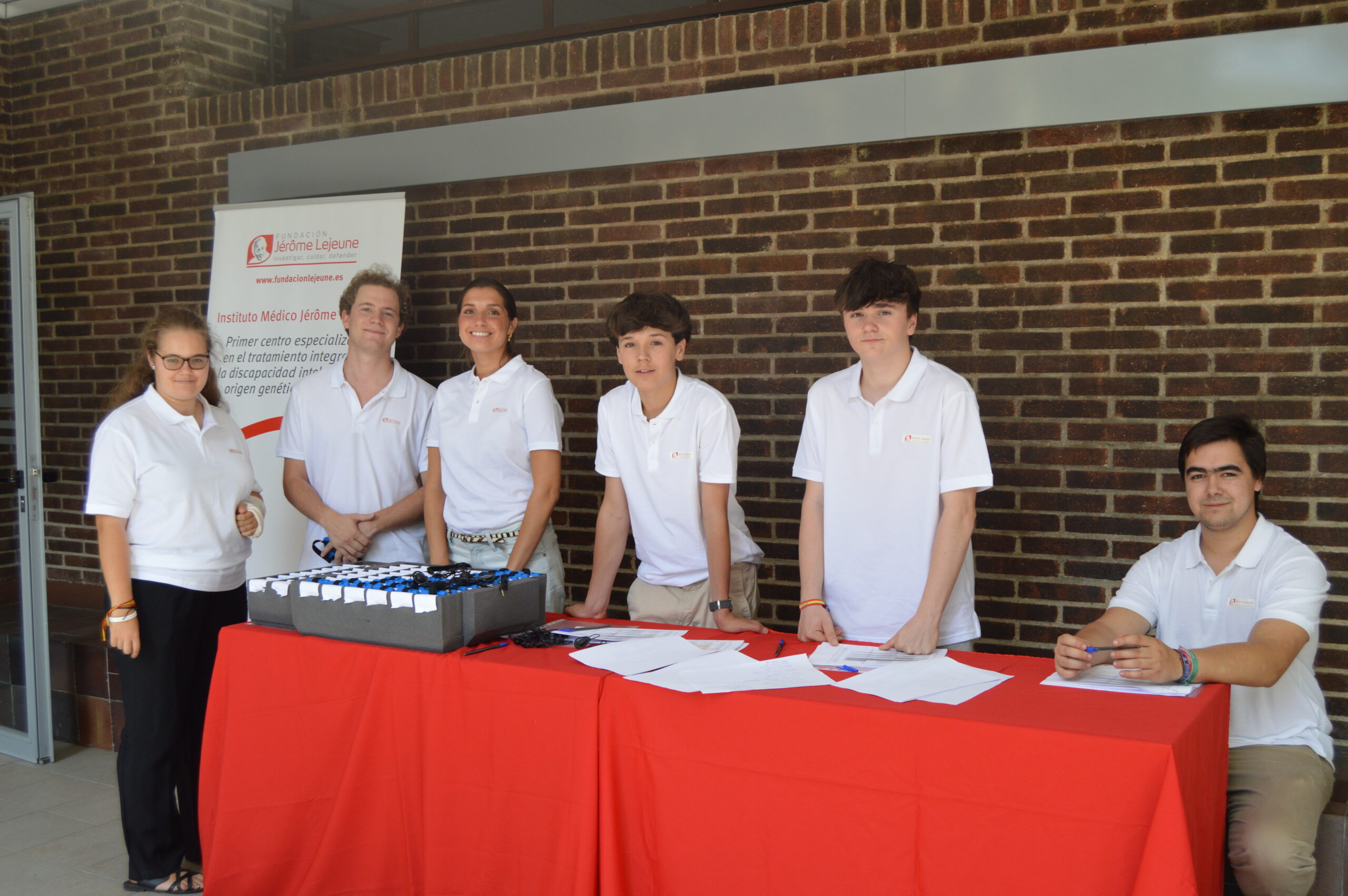
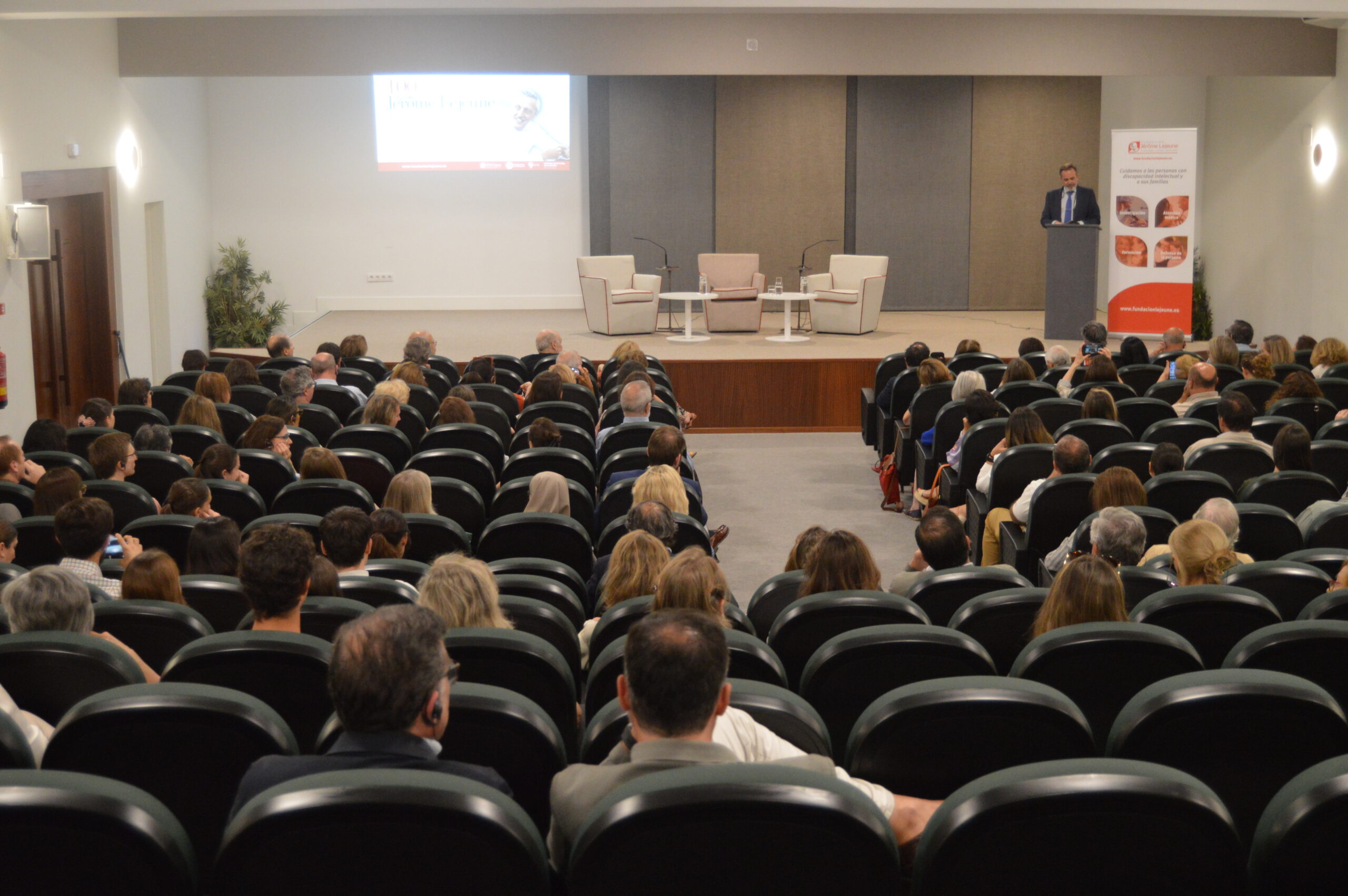
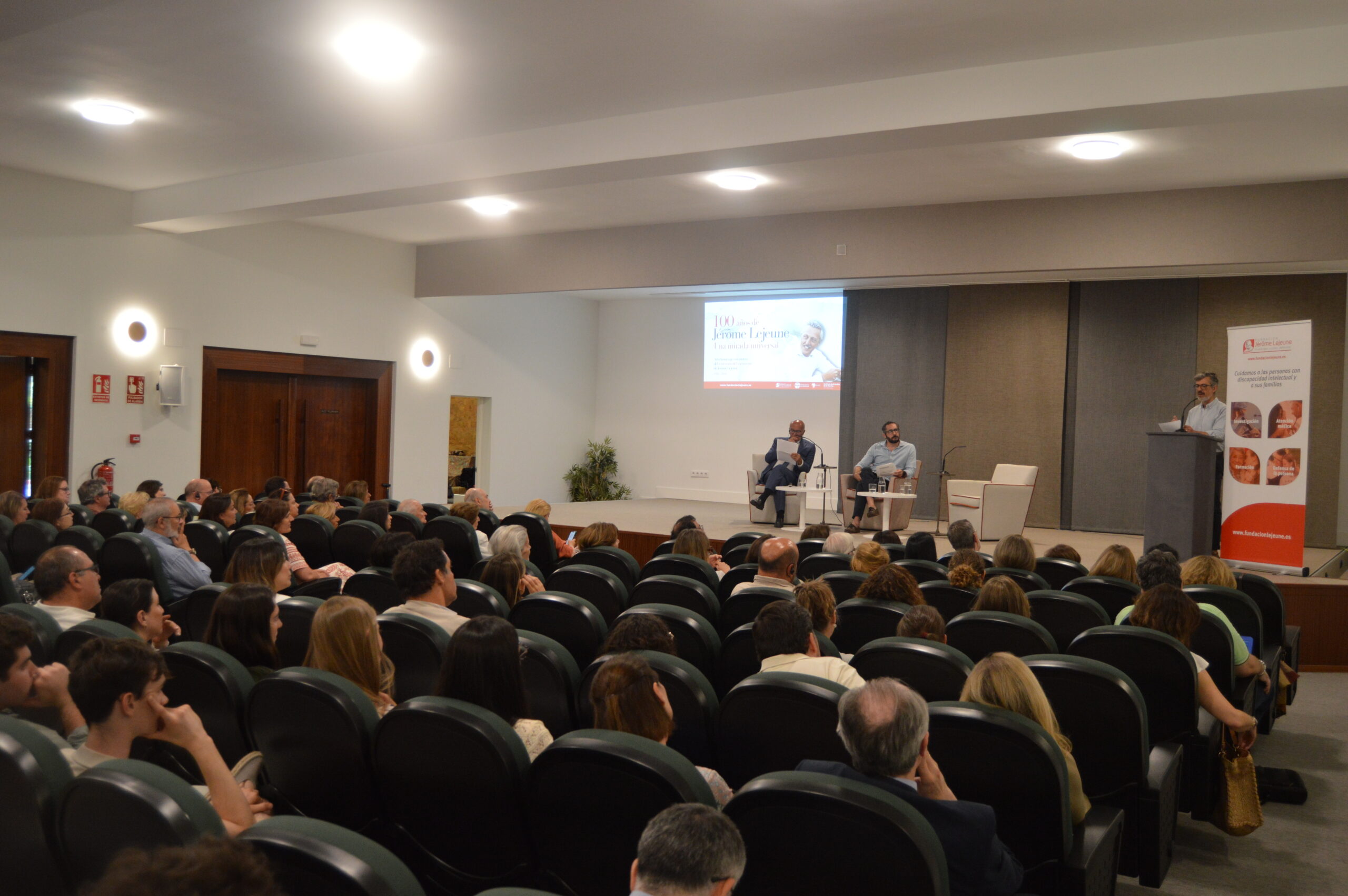
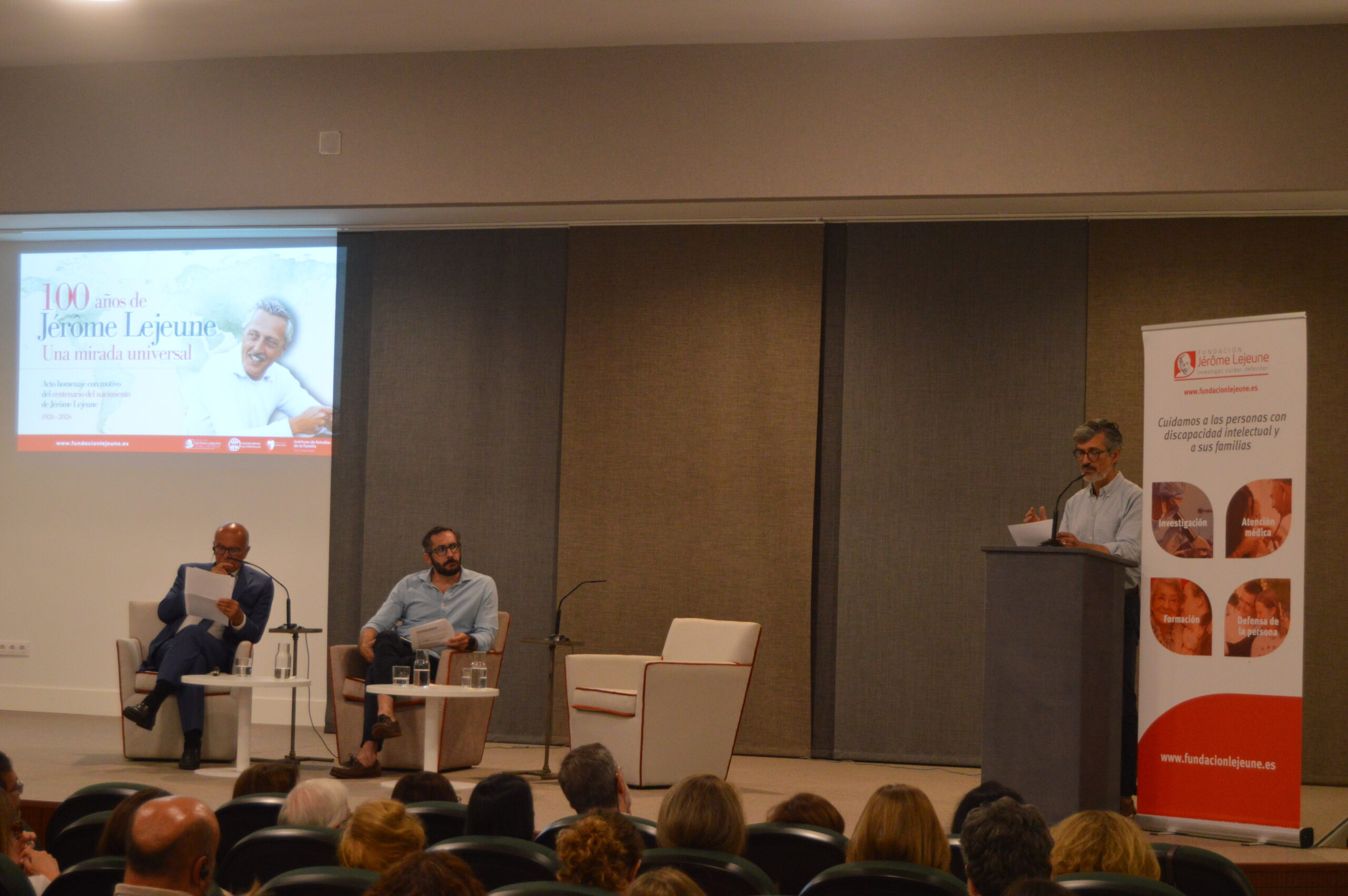
The event took place in the auditorium of C.M. Juan XXIII Roncalli and brought together families, healthcare professionals, institutional representatives, friends, supporters, donors, and others connected to the Foundation’s mission. The event was held with the collaboration of the Foundation Ángel Herrera Oria and the CEU Institute for Family Studies.
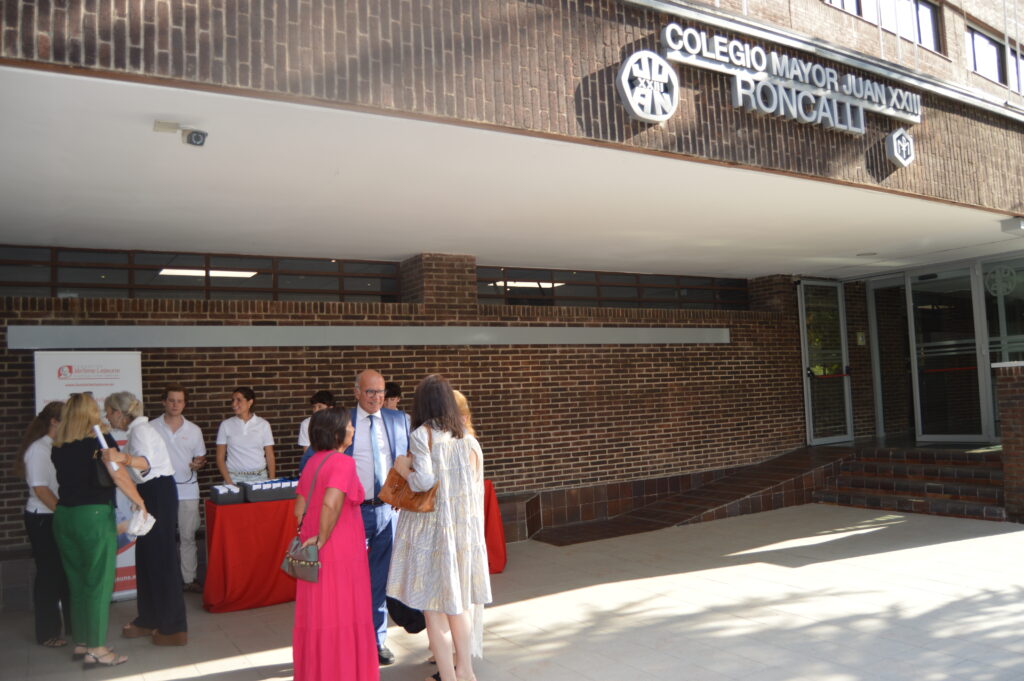
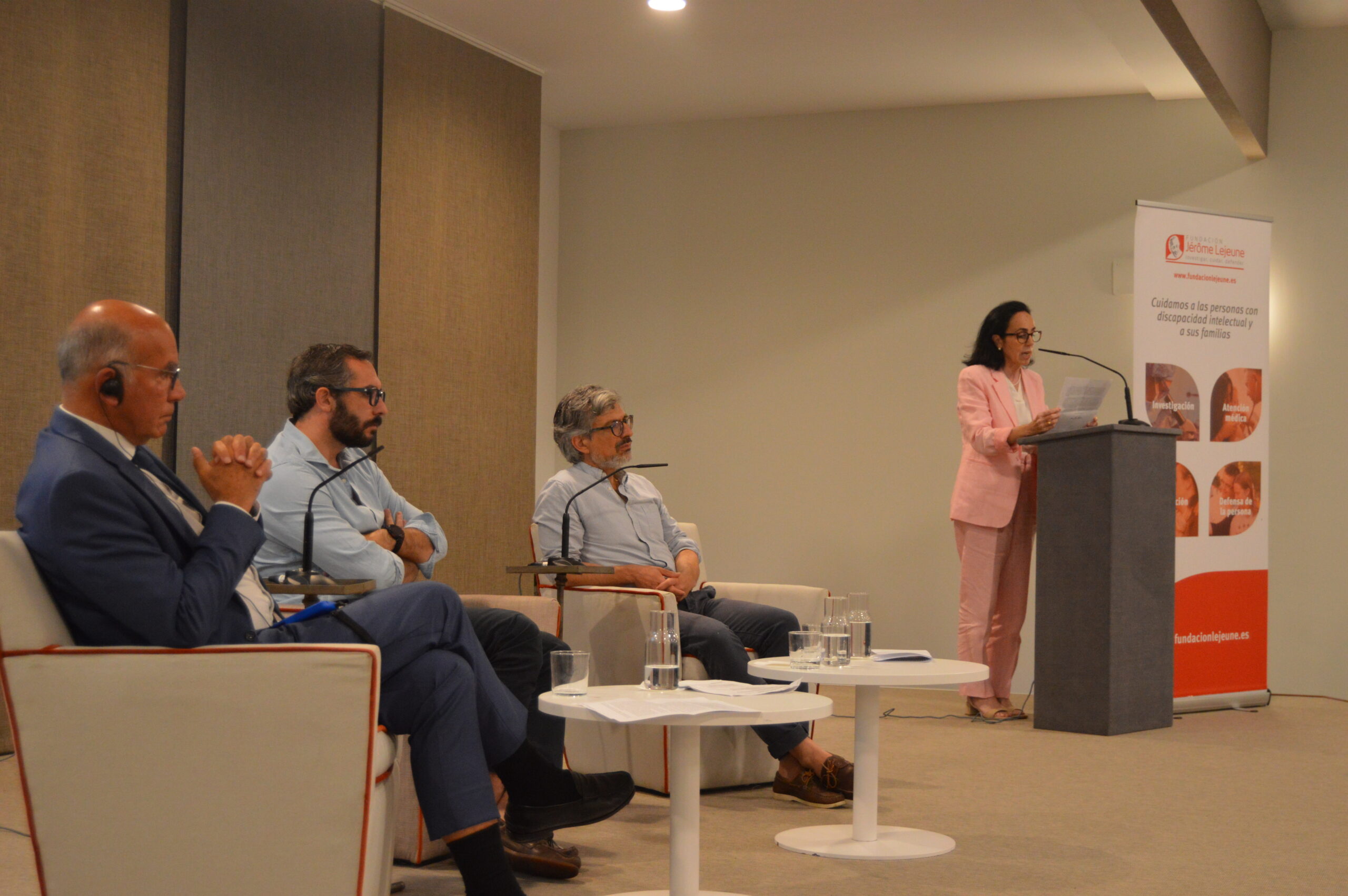
The event opened with institutional remarks by Pablo Siegrist, Director General of the Jérôme Lejeune Foundation Spain, who presented the centennial as an opportunity not only to remember, but above all to rediscover, the life and legacy of a man whose example remains profoundly relevant today.
In his remarks, he emphasized that Jérôme Lejeune’s legacy belongs not only to the past, but continues to challenge science, medicine, culture, families, and society as a whole.
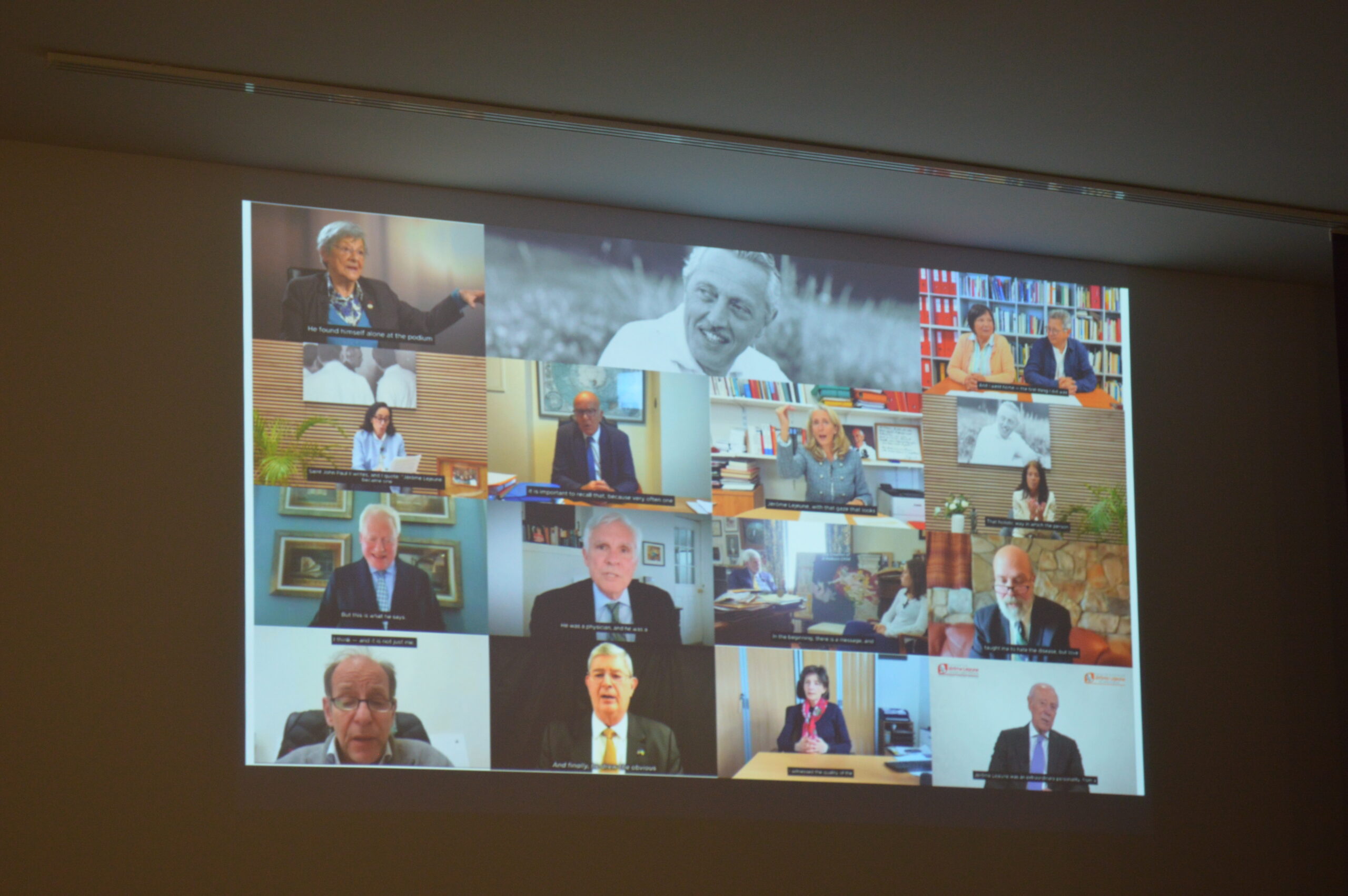
Before the discussion, the international course prepared by the International Chair of Bioethics Bioética Jérôme Lejeune to mark the centennial was presented:
«A Century of Jérôme Lejeune. A Legacy of Scientific and Ethical Wisdom»
This free online educational program brings together 15 international voices to explore Professor Lejeune’s life, work, and legacy from scientific, medical, human, and ethical perspectives. Participants include physicians, geneticists, professors, legal experts, family members, colleagues who worked alongside him, and bioethics experts who continue his legacy today in academic, clinical, and human settings.
Each testimony is presented in the speaker’s original language, with English subtitles, preserving the richness, authenticity, and unique voice of each contributor.
A Conversation on Science, Vulnerability, and Human Dignity
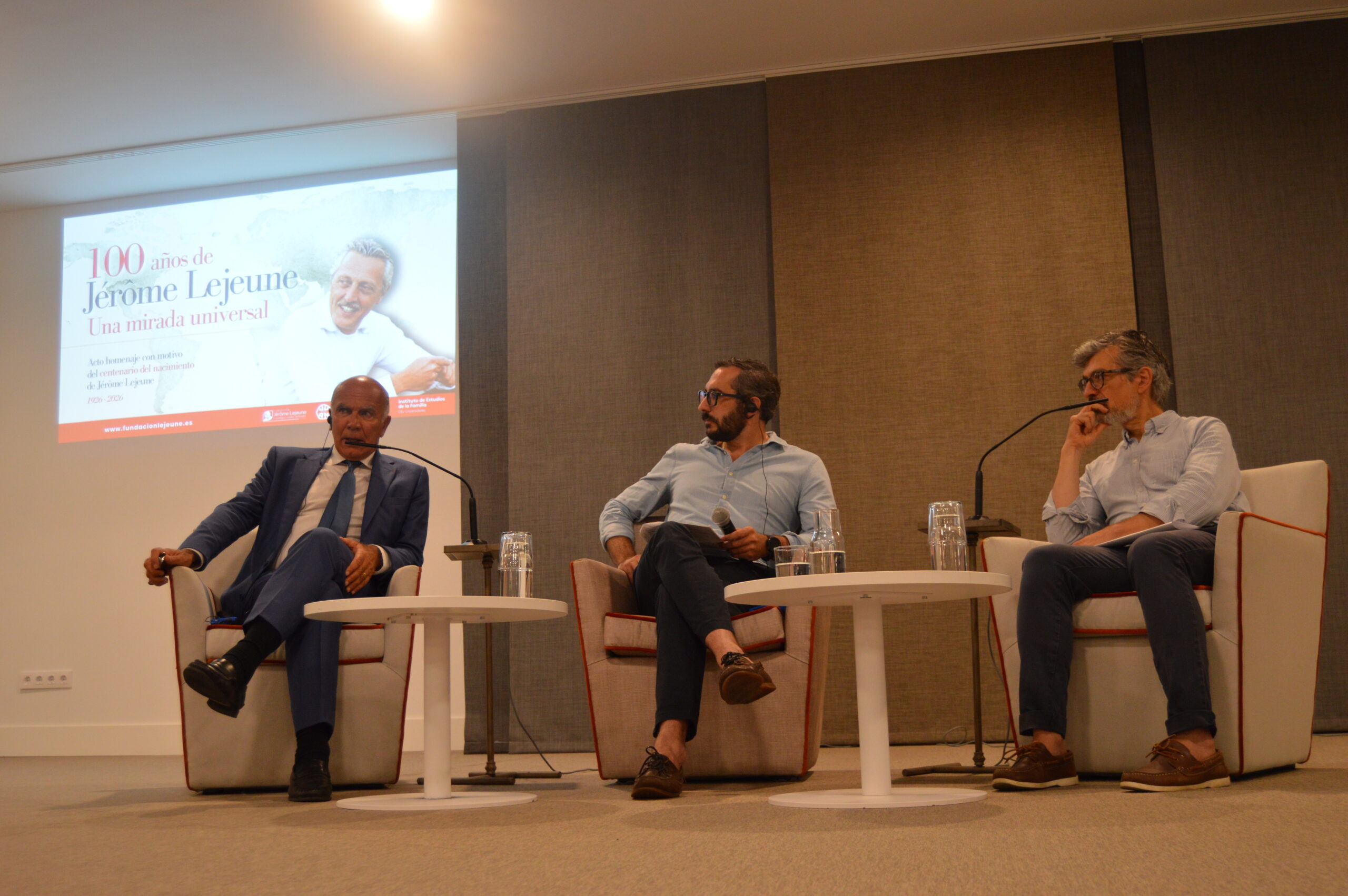
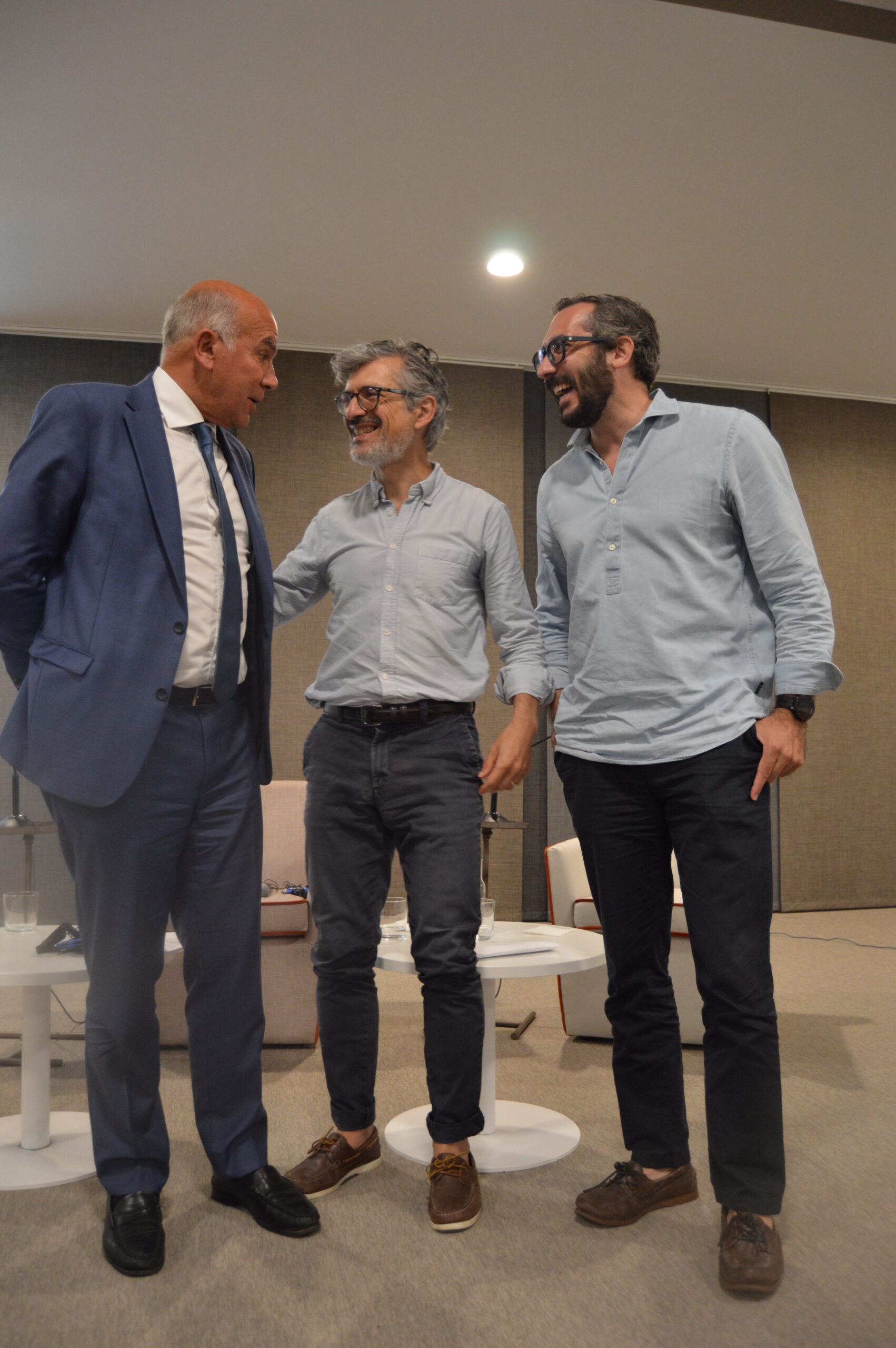
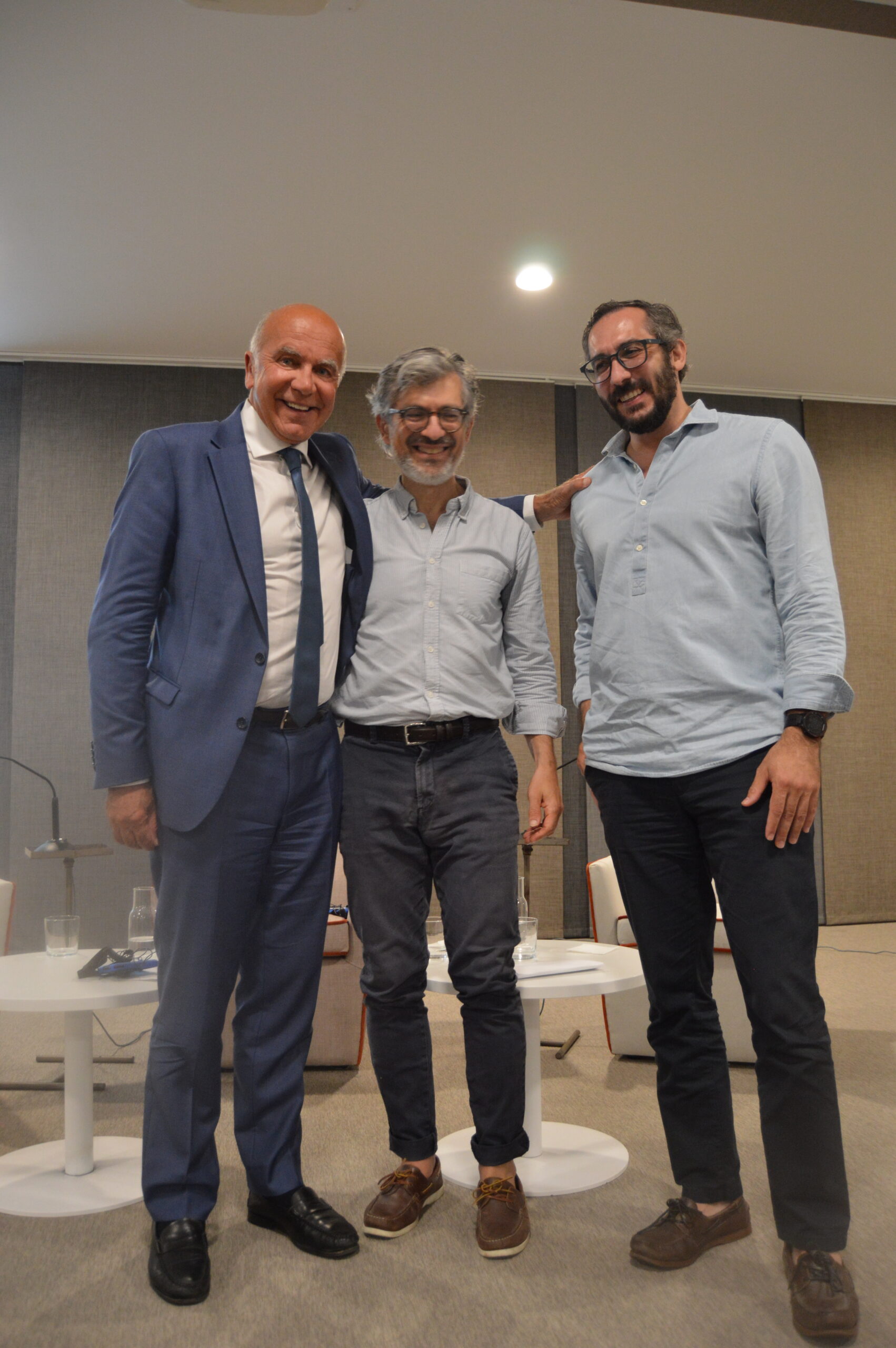
The discussion was moderated by José Martín Aguado, professor, communicator, and father of Juanito, a son with Down syndrome. He opened the conversation by reflecting on how Lejeune’s life and example invite us to ask how we can carry his legacy forward today and make his universal perspective present in our own time.
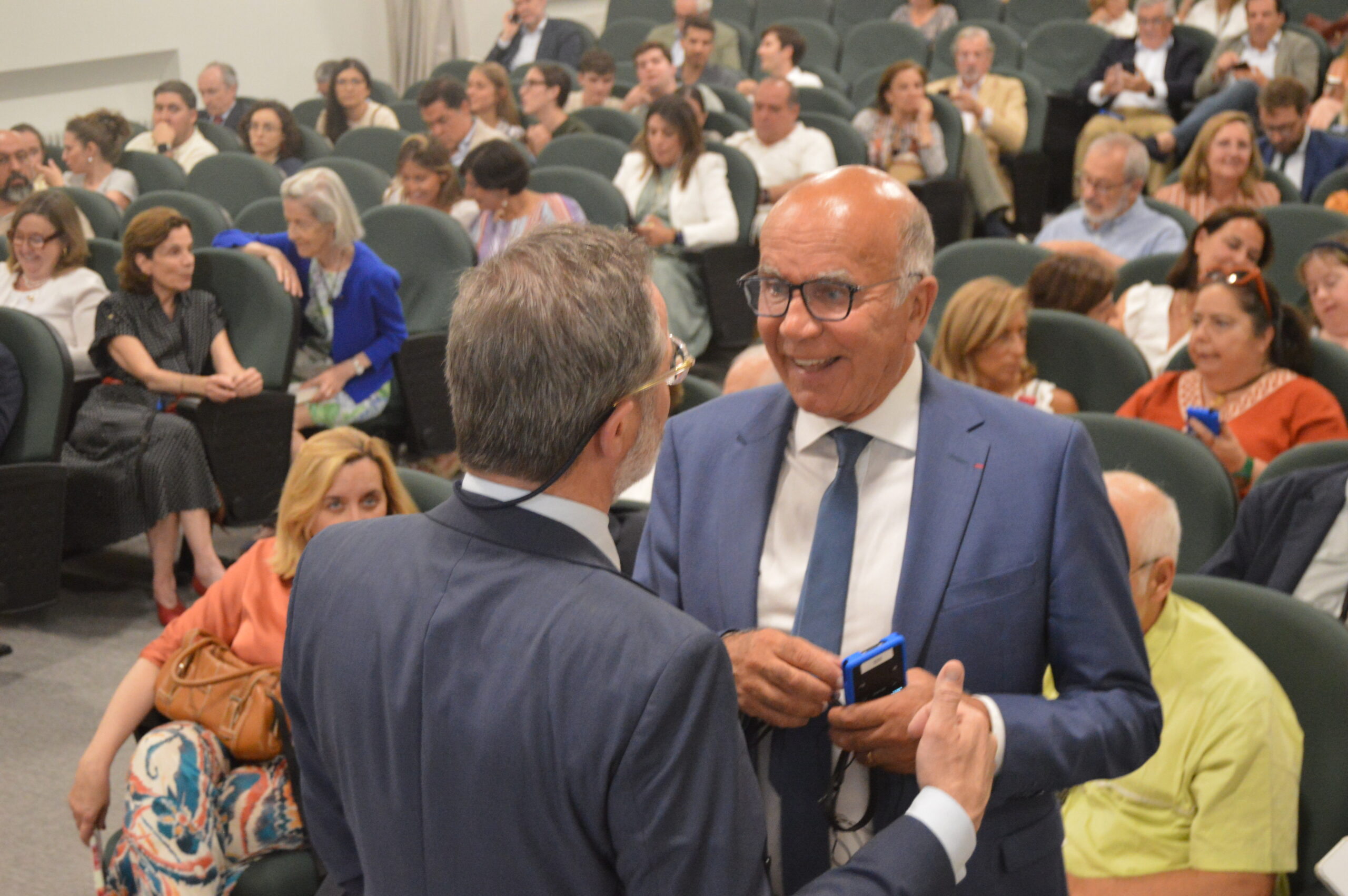
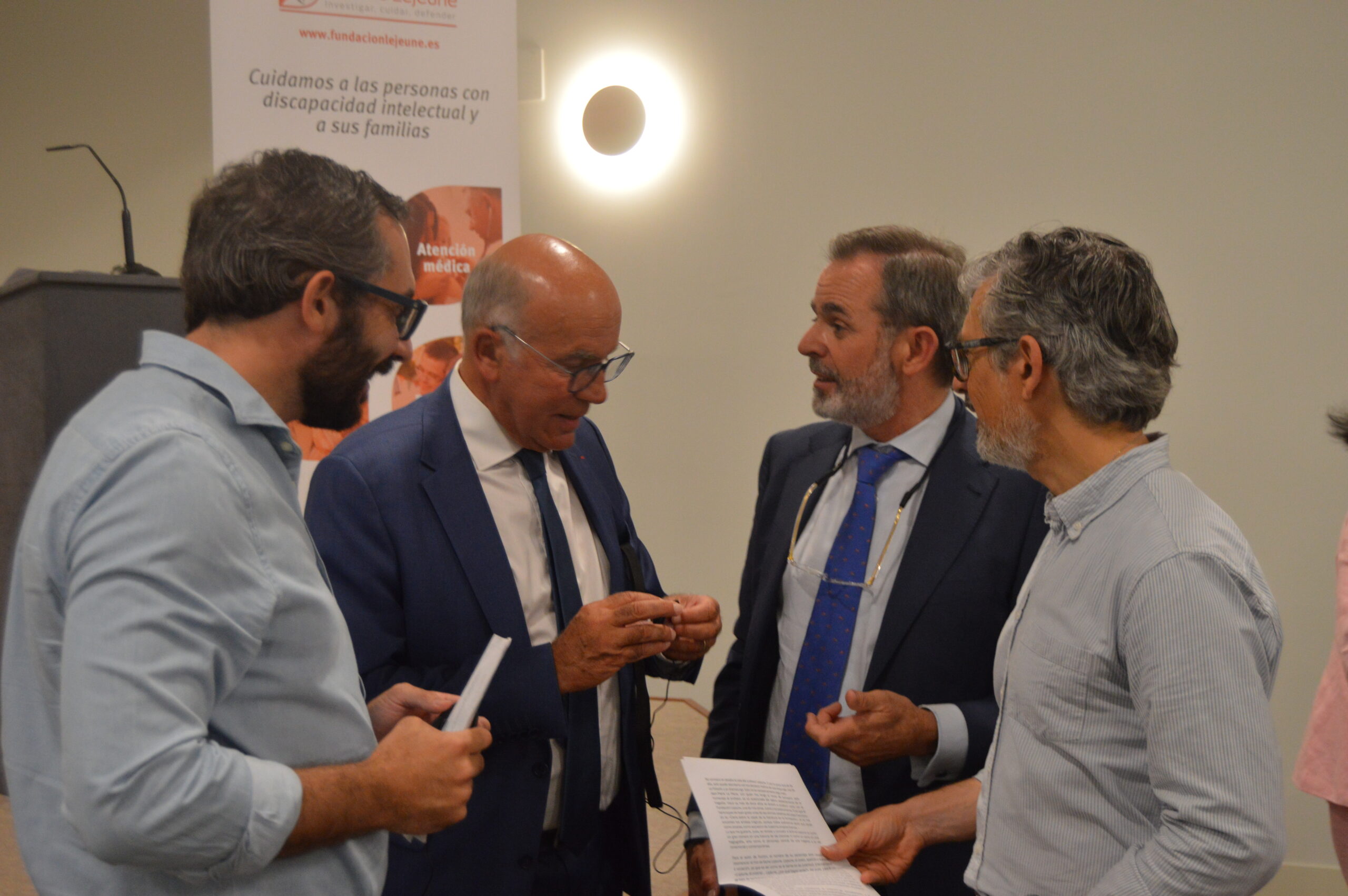
The discussion featured Jean-Marie Le Méné, President of the Jérôme Lejeune Foundation in France, and Fabrice Hadjadj, French philosopher, writer, and essayist.
Jean-Marie Le Méné offered a historical, family, and institutional perspective on Jérôme Lejeune. Drawing on his personal proximity to Lejeune and his role at the helm of the Foundation in France, he helped illustrate the profound unity between the scientist, the physician, the man of faith, and the defender of human dignity. His contribution brought the central question of the event into focus: who was Jérôme Lejeune, really, and why does his legacy continue to have universal significance?
For his part, Fabrice Hadjadj offered a philosophical and dramatic reading of Lejeune’s life. He proposed approaching Lejeune not merely as a pioneer of genetics or as a figure of hagiography, but as “the central character in a tragedy that is at once timeless and contemporary”.
Beginning with the meaning of Lejeune’s surname—”the young man”—Hadjadj interpreted his life as a vocation to remain open to life, to grace, and to the newness of the world. Lejeune, he noted, “becomes young” through three realities: his desire to become a physician, his friendship with people with Down syndrome, and his relationship as a young son with the Father.
The philosopher also drew a parallel between Lejeune and Don Quixote: just as Alonso Quijano embarks on his adventure after reading tales of chivalry, Lejeune began his own journey inspired by Balzac’s The Country Doctor, preserving an ideal vision of medicine as a vocation of service, care, and self-giving.
At the heart of his intervention, Hadjadj placed Lejeune’s tragic paradox: “His discovery, made in the service of those little and marginalized people, who are like the Jews of nature and not of the Book, is used to carry out the most blatant and most banalized genocide in history”.
For Hadjadj, the deepest dimension of this tragedy lies not only in the misunderstandings and defamation Lejeune endured, but in the “inner martyrdom” of witnessing a good that had emerged from science being turned against those he sought to serve.
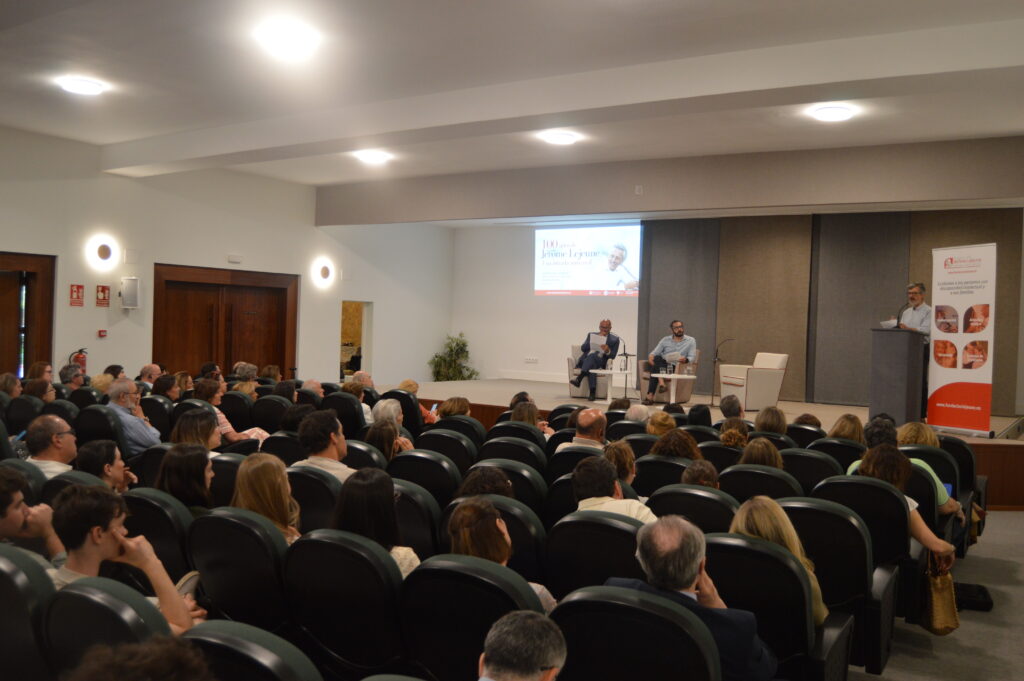
Throughout the discussion, the speakers reflected on the acceptance of vulnerability as a measure of a civilization’s moral character, the public responsibility of intellectuals, the relationship between progress and care, and the place occupied today by people with intellectual disabilities in a culture shaped by prenatal diagnosis, selection, and certain forms of transhumanism.
One of the central ideas of the discussion was Jérôme Lejeune’s statement:
“The quality of a civilization is measured by the respect it shows for its weakest members”.
From this starting point, the discussion raised a particularly relevant question: if our society accepts diversity in the abstract, why does it still struggle to embrace concrete vulnerability when it appears in a life, a family, or a child?
Lejeune, a Servant of Life
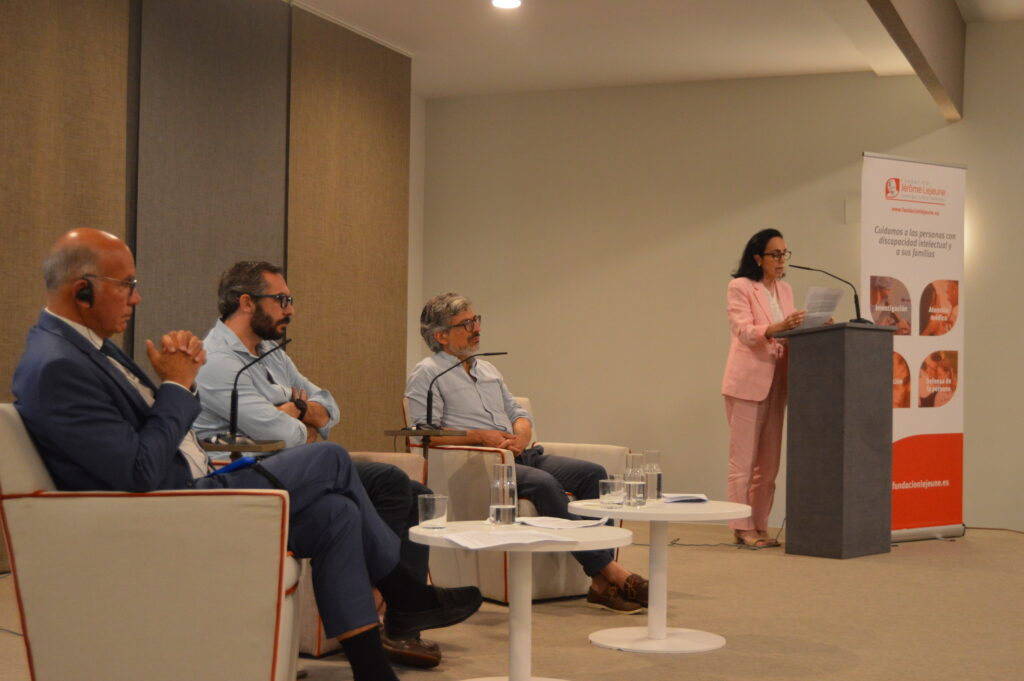
The closing institutional remarks were delivered by Elena Postigo, President of the International Chair of Bioethics Jérôme Lejeune, who read a message from Mons. Renzo Pegoraro, President of the Pontifical Academy for Life, written on the occasion of the centennial, as Jérôme Lejeune was its first president.
In his letter, Mons. Pegoraro recalled that Jérôme Lejeune’s centennial “is not merely a moment of remembrance”, but “a mandate”: to reflect on how the scientific community can act so that progress may serve life in all its forms.
He also emphasized that Lejeune points toward a model of science that “is not afraid to confront the great questions of life: illness, disability, the possibilities of treatment, support for families, but also responsibility in the face of scientific knowledge”.
In this sense, he described Lejeune’s legacy as “a living memory” that calls us to “transform the light of the laboratory into a concrete instrument of care, responsible information, and respect for every person”.
A Perspective That Remains Relevant and Necessary
The event concluded with an invitation not to reduce the centennial to a remembrance of the past, but to embrace it as a call to embody Jérôme Lejeune’s perspective today: a perspective capable of welcoming vulnerability, recognizing every person in their entirety, and remembering that true progress begins when no one is excluded from care.
Through this gathering, the Jérôme Lejeune Foundation Spain sought to honor a decisive figure in medical genetics while also renewing its commitment to the mission that inspires its daily work: to research, care for, and defend people with intellectual disabilities of genetic origin and to support their families.
This mission is also reflected in the specialized medical care provided by the Foundation to people with intellectual disabilities of genetic origin and their families, through an integrated approach that brings together scientific knowledge, clinical care, and human support.
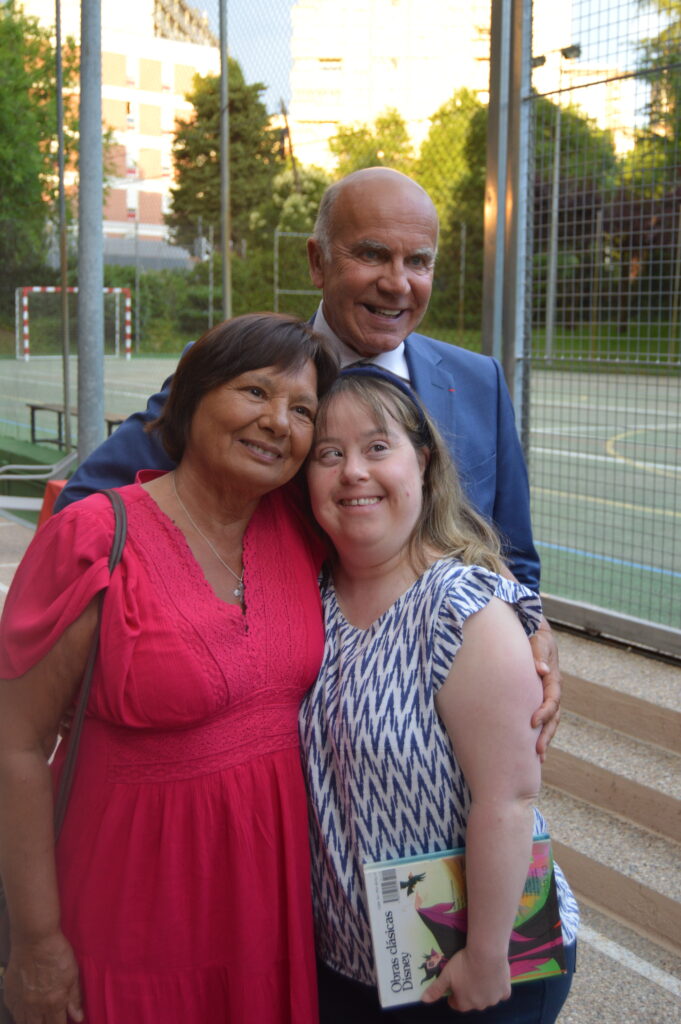
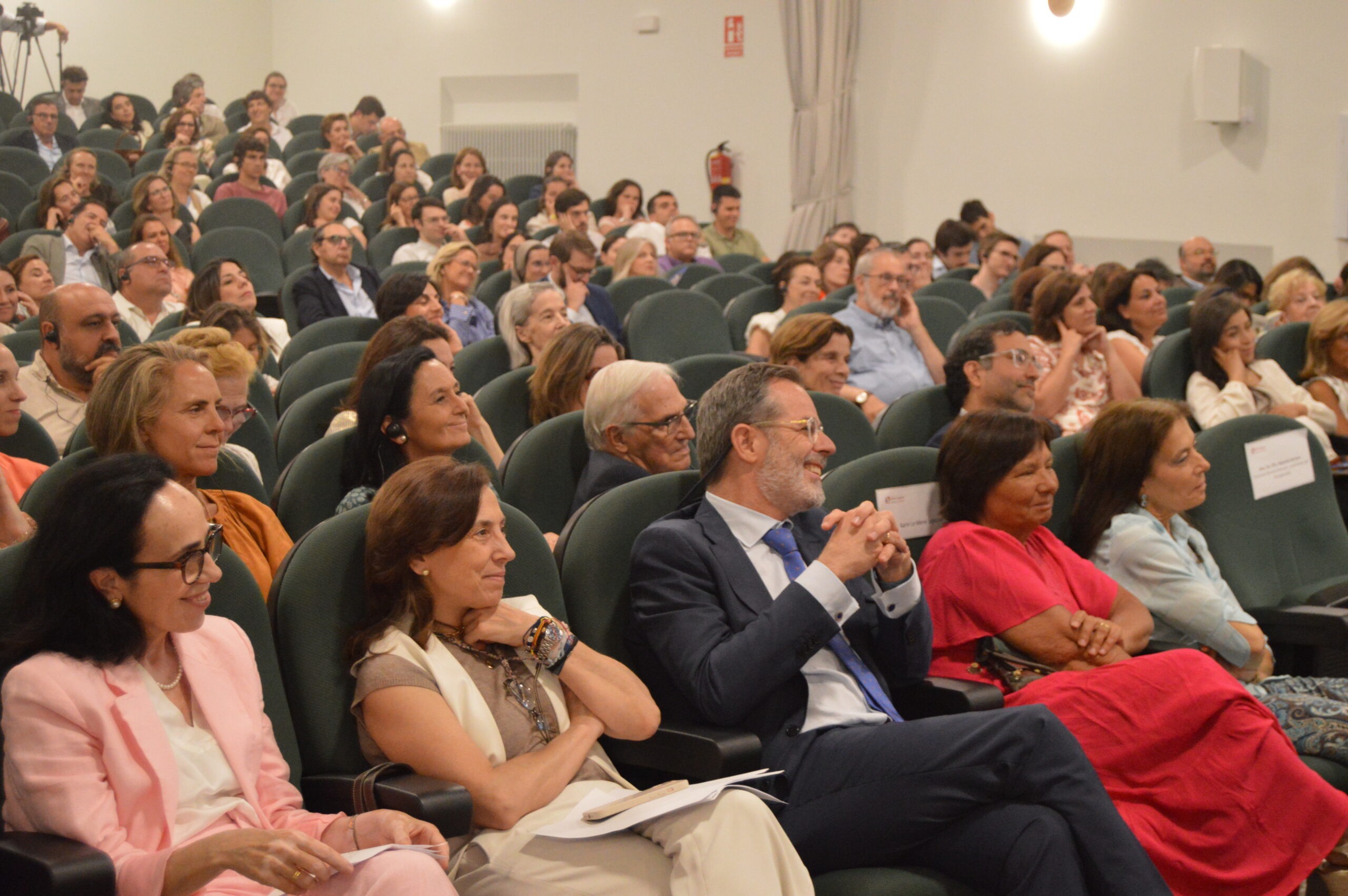
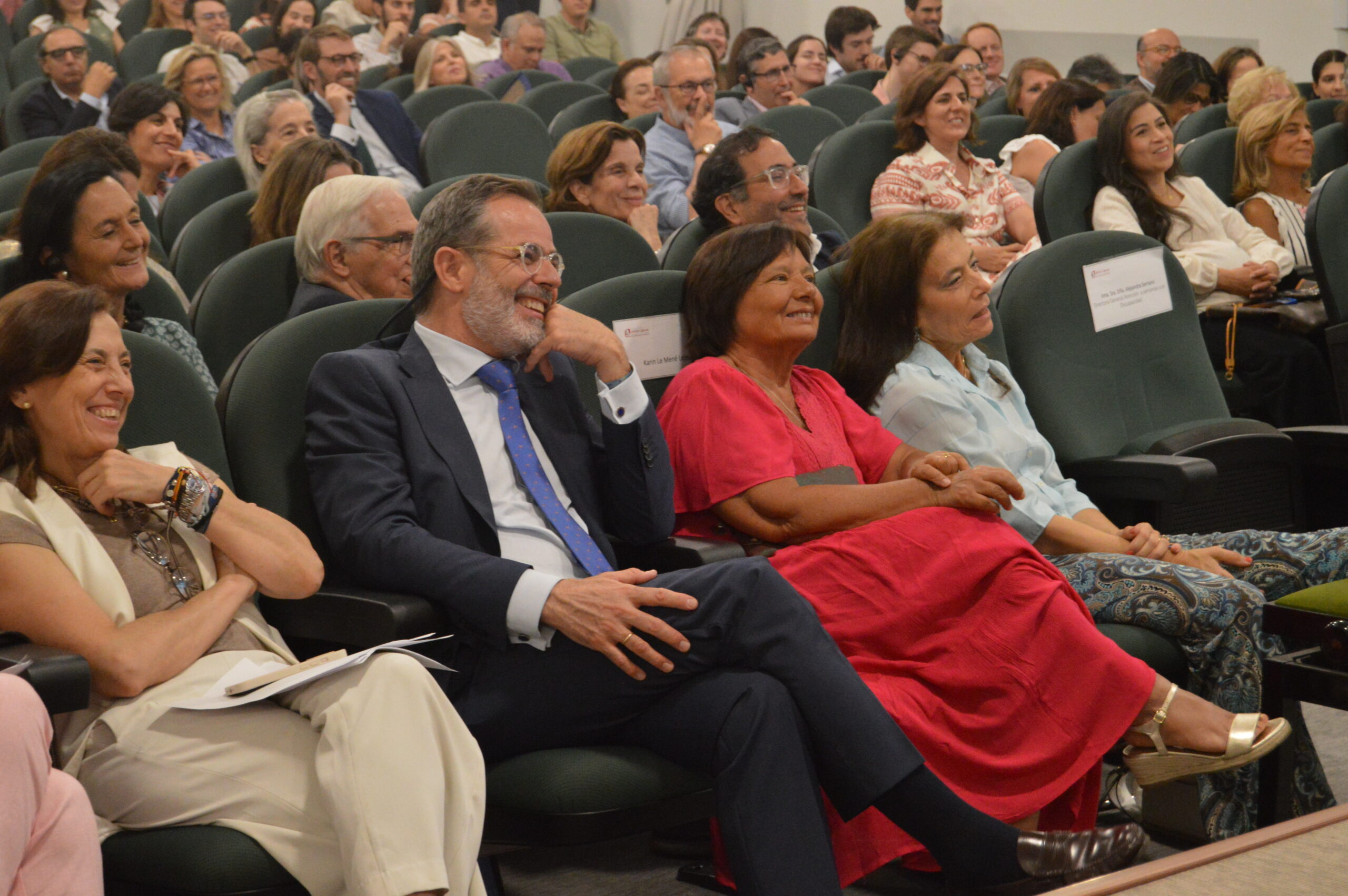
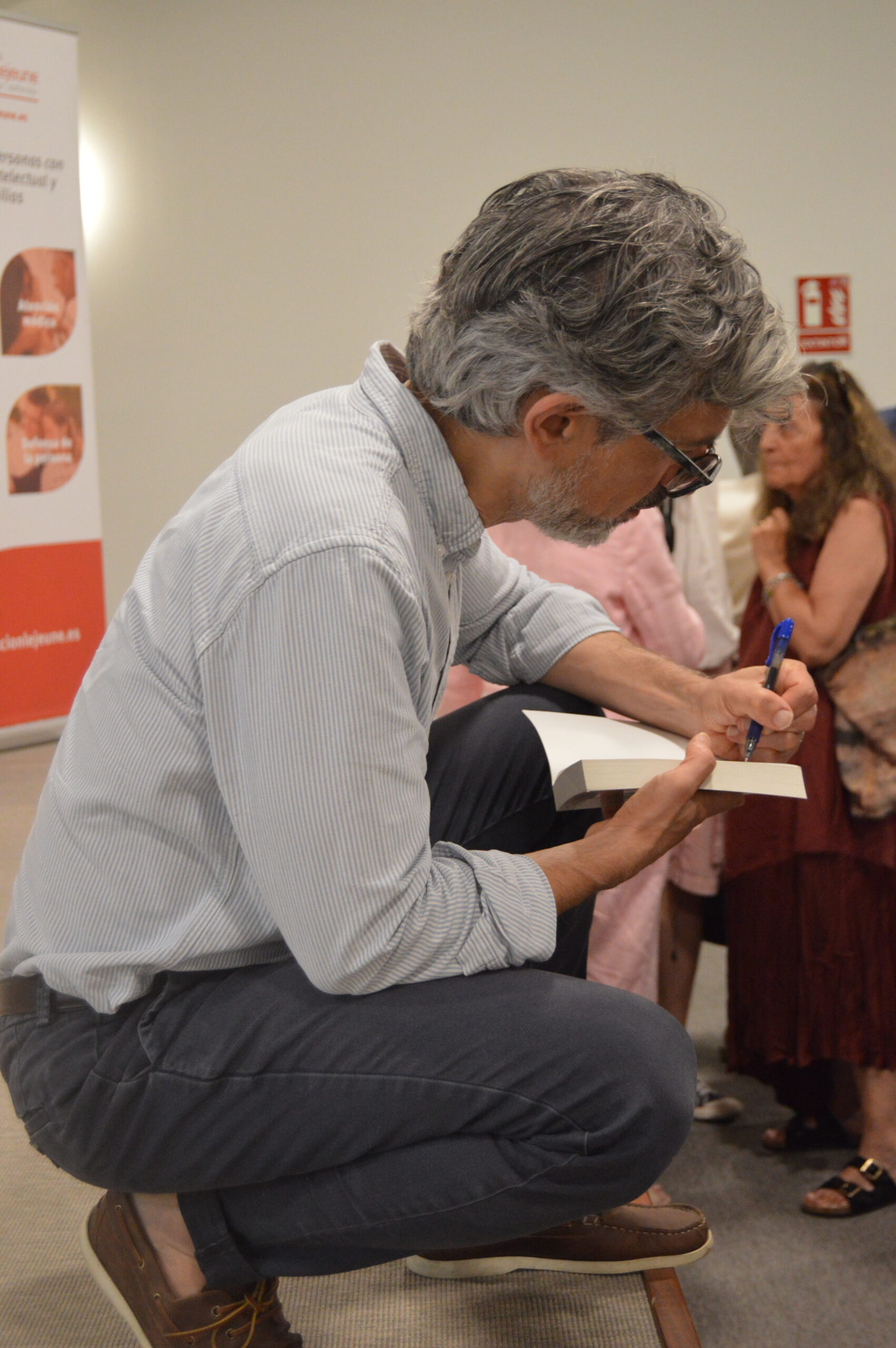
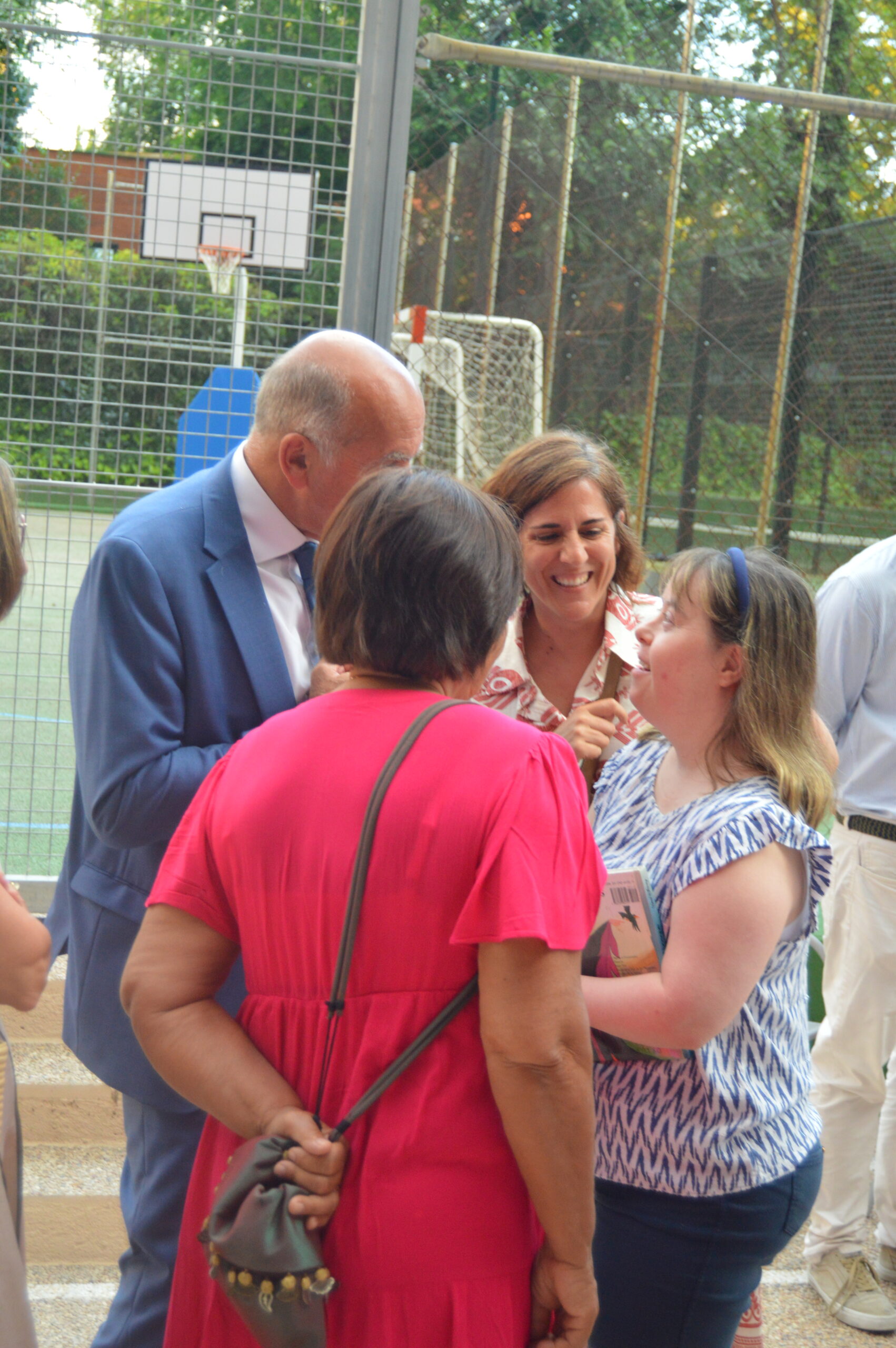
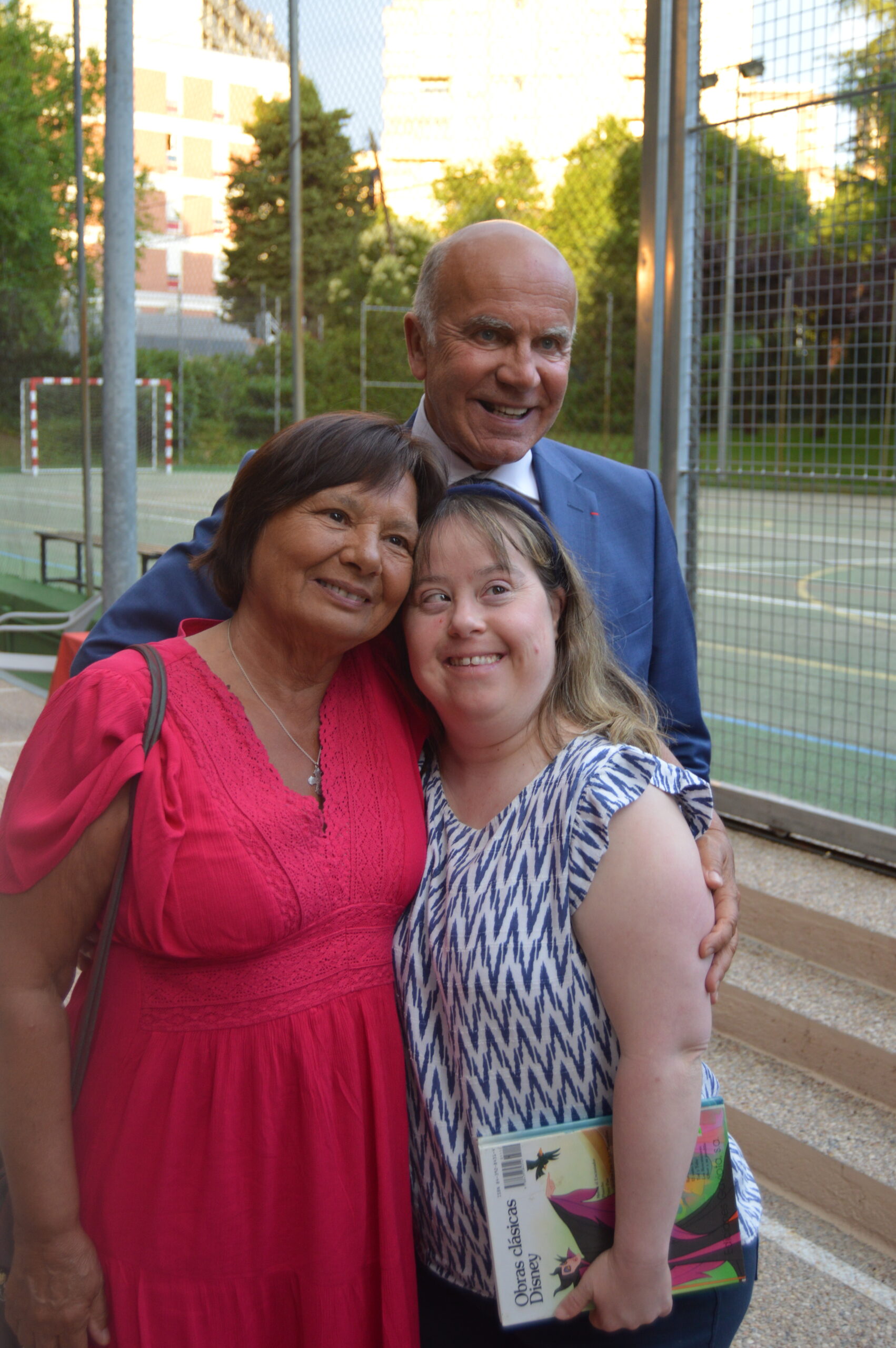
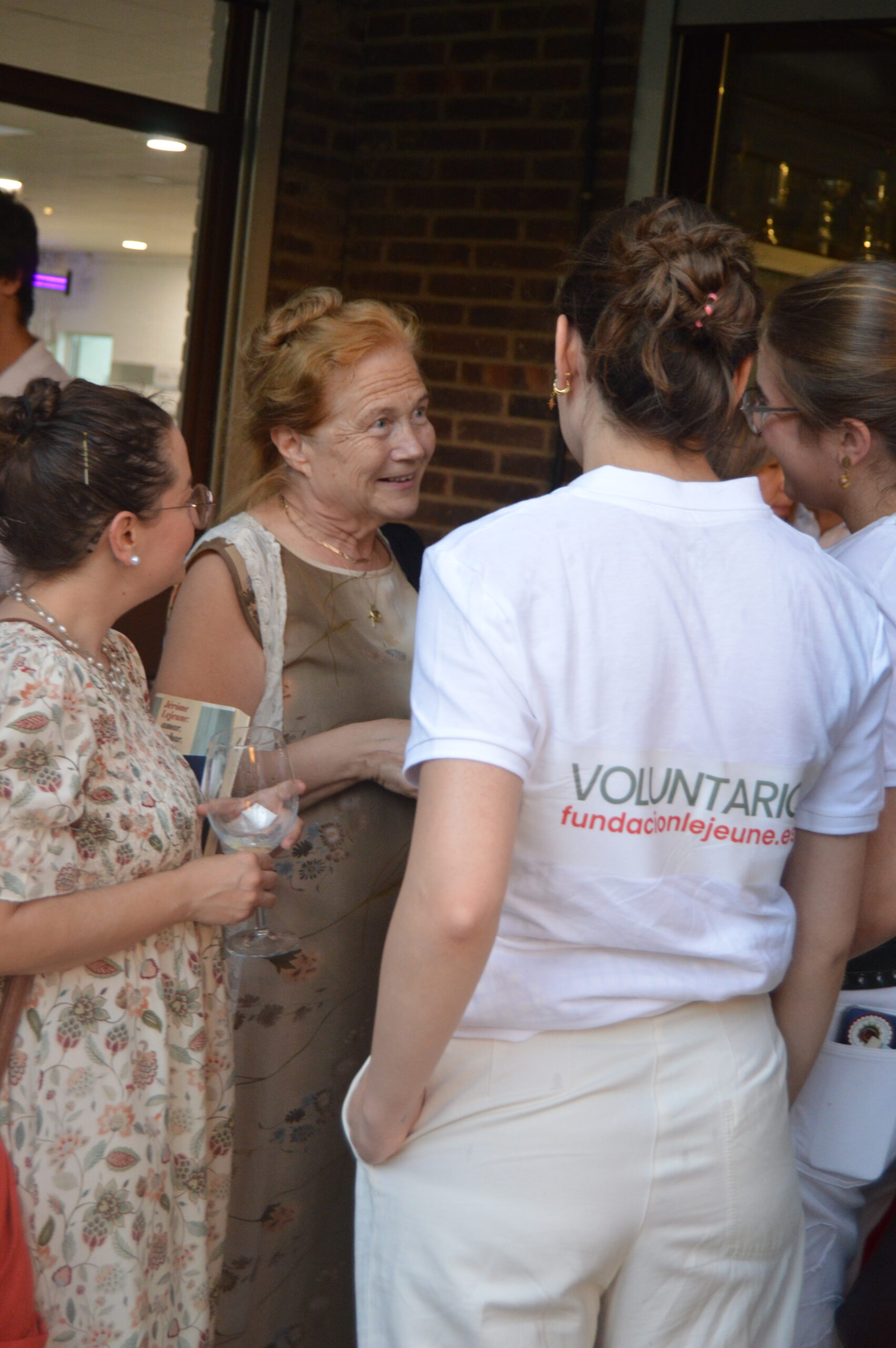
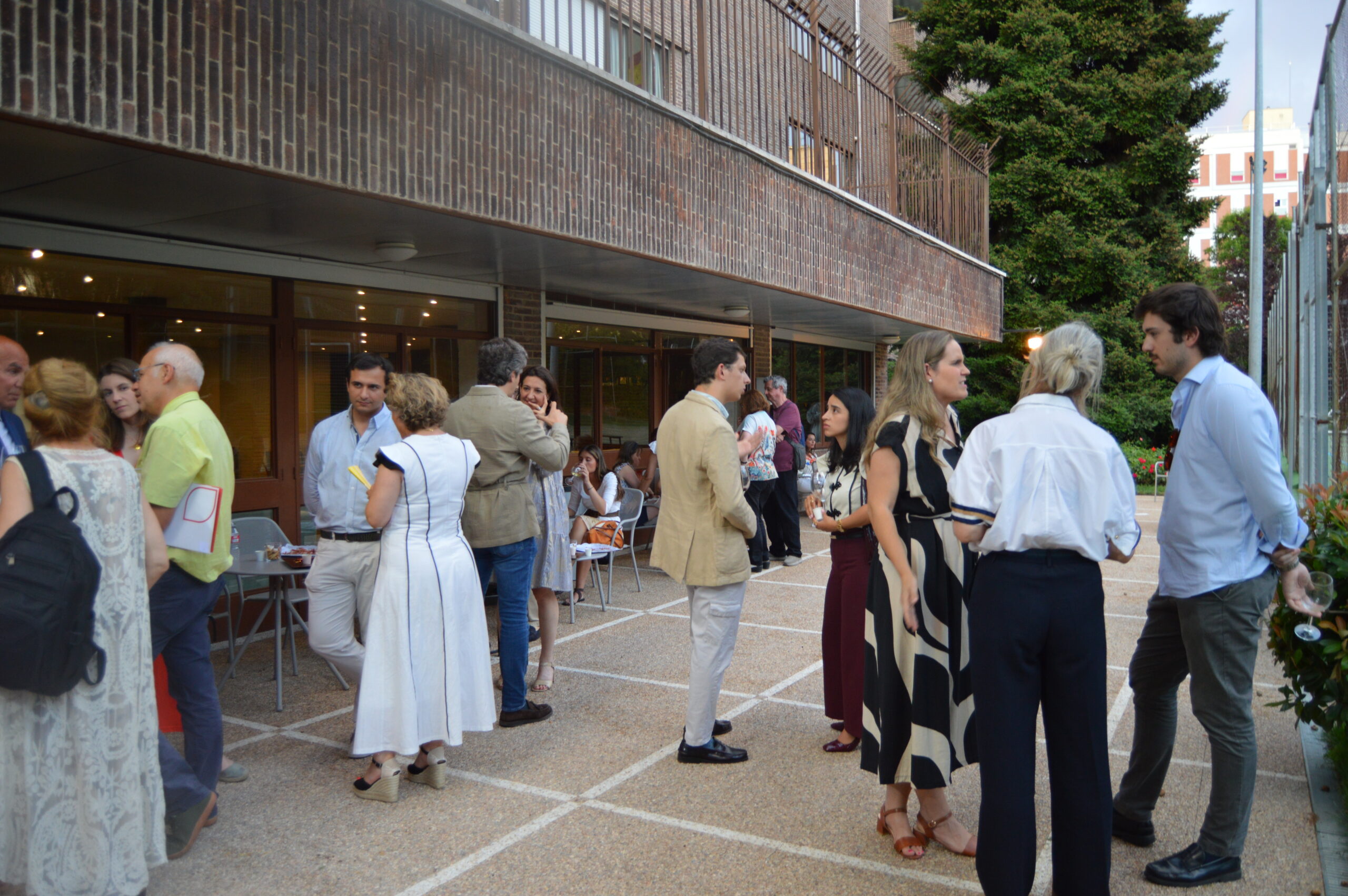
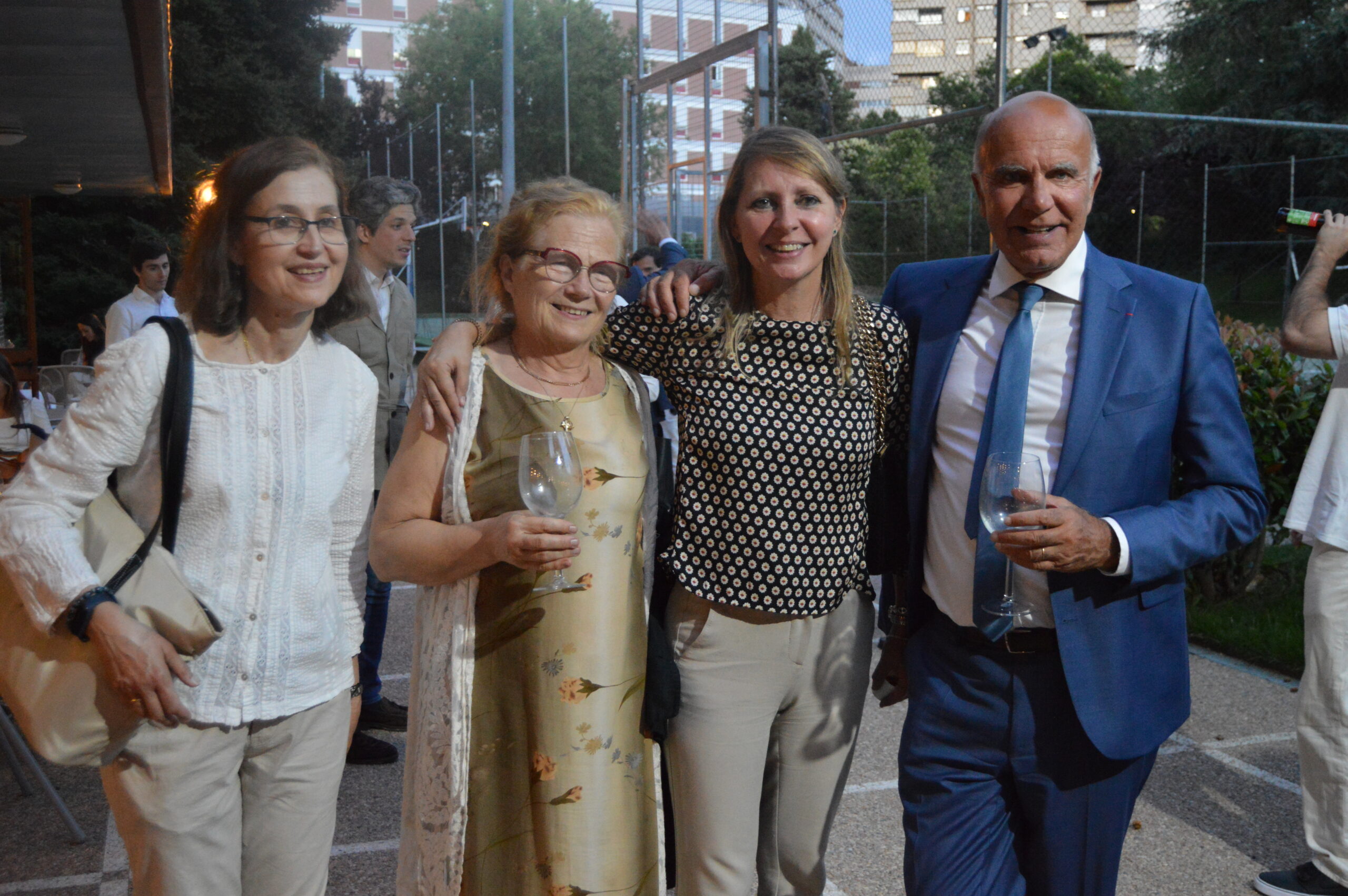
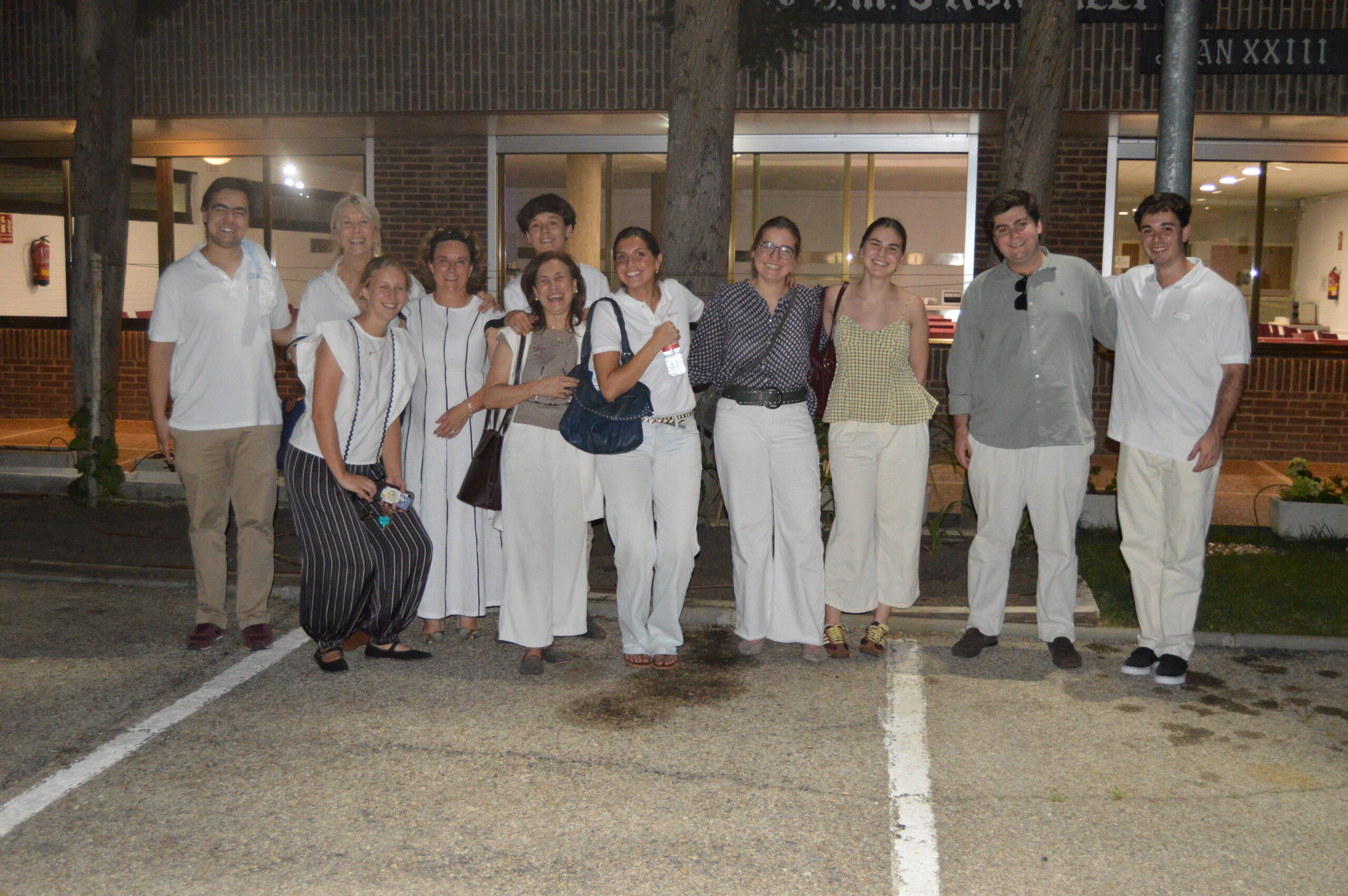
Following the event, attendees had the opportunity to share a Spanish wine and continue their conversations in a warm and welcoming atmosphere. It was also an opportunity for some attendees, including Miriam Picarzo, a Foundation patient, to personally greet Karin Lejeune, Jérôme Lejeune’s daughter, who was present at the centennial celebration of her father.
News and Articles Related to the Centennial of Jérôme Lejeune’s Birth
- EL DEBATE | Cien años de Jérôme Lejeune: ser humano o no ser.
- ACEPRENSA | Volver a Jérôme Lejeune en tiempos emotivistas y tecnoutópicos.
- EL DEBATE | Las escalofriantes cifras del aborto en España: el 95 % de los bebés con síndrome de Down son eliminados antes de nacer.
- OBERVATORIO DE BIOÉTICA | En el centenario del nacimiento de Jérôme Lejeune (1926-1994), una razón que ama.
- BIOETICAWEB | Jerome Lejeune: 100 años de su nacimiento.
