
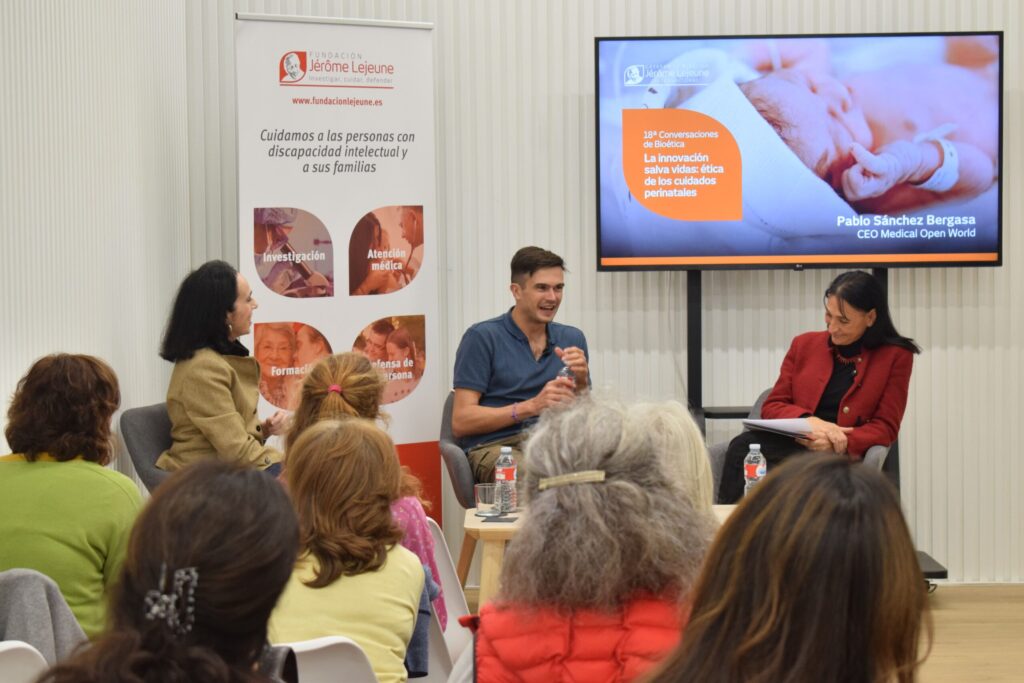
A neonatal incubator can open up a life-saving opportunity where resources to care for premature newborns are scarce. This is the mission of Medical Open World, the NGO led by engineer Pablo Sánchez Bergasa, recipient of the 2025 Princess of Girona Social Award, which developed IncuNest, a low-cost neonatal incubator designed for hospitals with limited resources.
He weighed just 500 grams. As Pablo recounted, the baby had been given up for lost at a hospital in Cameroon when a nurse decided to try to care for him using the incubator they had just received. Minutes turned into hours, and hours into weeks. Six weeks later, the baby weighed two kilograms.
Months later, Pablo had the opportunity to meet Zoe. Her mother came to the hospital to introduce them to her child, whom the staff there had named “Little Miracle”. The baby had microcephaly, and the engineer acknowledged that, when he first saw him, he wondered about the challenges he might face. But the mother spoke to him from a different perspective: “Being a mother is the best thing that has ever happened to me”, he recalled.
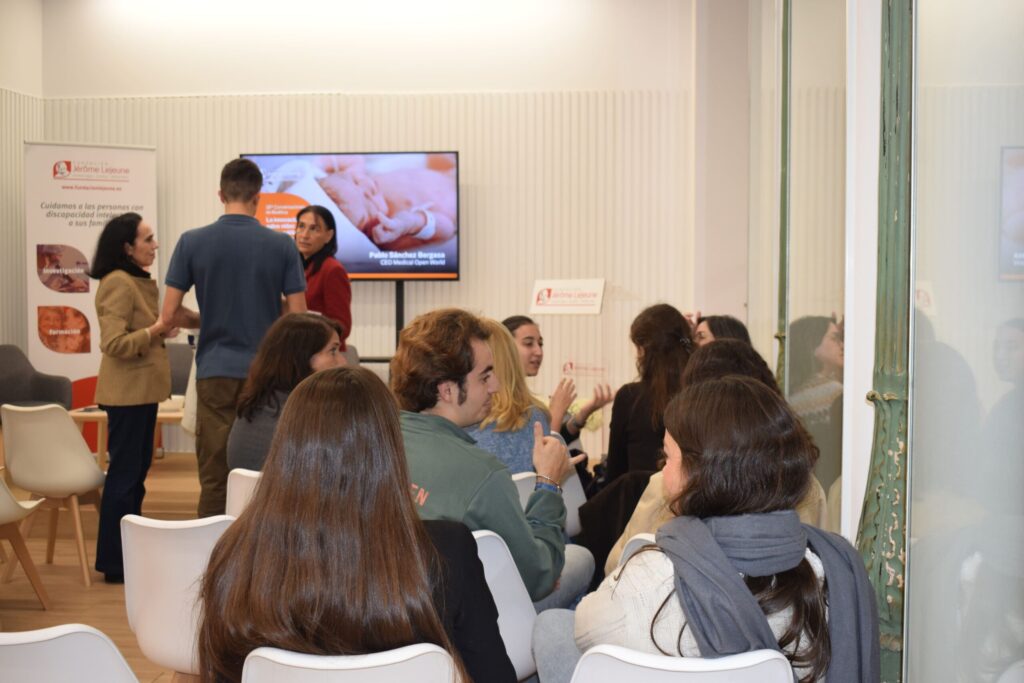
This encounter brought together several of the questions explored during the 18th Bioethics Conversations, held on November 12 at the Jérôme Lejeune Foundation: the value of a life in a situation of extreme vulnerability, the uncertainty surrounding its future, and the responsibility to provide care. It also raised a question about progress: what does it mean to have access to technology capable of helping others if that technology remains beyond the reach of those who need it most?
Pablo Sánchez Bergasa, engineer, founder and director of Medical Open World, and recipient of the 2025 Princess of Girona Social Award, shared his experience in a conversation with Dr. Elena Postigo Solana, President of the International Chair of Bioethics Jérôme Lejeune. The session was moderated by Dr. Pilar García Fernández, Medical Director of the Jérôme Lejeune Medical Institute.
A life worth caring for
“What does it mean to recognize a newborn as someone who deserves to be cared for and protected?” Dr. Pilar García asked after hearing the story of the baby in Cameroon.
For Dr. Elena Postigo, the answer lies at the heart of bioethical reflection: “The concept of dignity is at the very heart of Bioethics”. As she explained, this dignity means that every human being has equal worth, regardless of size, age, or geographical location. “It is an intrinsic value that no one grants to a person; it is something they possess in themselves”.
Recognizing this has concrete implications: seeing the newborn as a patient, responding to their vulnerability, and placing knowledge at the service of their care. Addressing Pablo, Postigo expressed the significance of his work in these words: “You have not simply built an incubator; through this project, you are saying that this life deserves to be cared for”.
The story shared by the engineer brings this statement into focus through the face of a child. Uncertainty about the baby’s future development was part of his clinical situation; his worth as a person did not depend on resolving that uncertainty. And, particularly in an institution dedicated to caring for people with intellectual disabilities, this reflection carries special significance.
A link in a chain
At the beginning of his talk, Pablo wanted to clarify the role he plays in the project: “I am just one more link in a chain”.
The idea for the incubator originated at CEU San Pablo University. He joined the initiative as a volunteer in 2017, while working in Madrid, and later took on the responsibility of carrying it forward. His family gradually became involved as well: his father helped him establish the NGO, his mother made the mattress covers, and his siblings contributed to the management and provided the initial resources.
Link by link, the chain grew, bringing together Salesian vocational training centers, companies that donate materials, organizations that connect the project with hospitals, and healthcare professionals who care for the babies. During the event, Pablo explained that the incubators are built at ten vocational training centers and reported that the project had already helped around 5,500 babies.
Dr. García highlighted another impact of this collaboration: young people discovering that their knowledge and skills can contribute to saving and caring for a life. Pablo connected this with his own experience of finding a sense of purpose, and with a second mission that goes hand in hand with the project: “Communicating the greatness and beauty of life”.
Among those involved is Gregorio, an 83-year-old retired teacher who put on his lab coat again to build incubators. When he met Pablo, it was Gregorio who wanted to thank him. The care of newborns was thus bringing together people from very different backgrounds, each finding something valuable to contribute.
What do we mean by Technological and Biomedical Innovation?
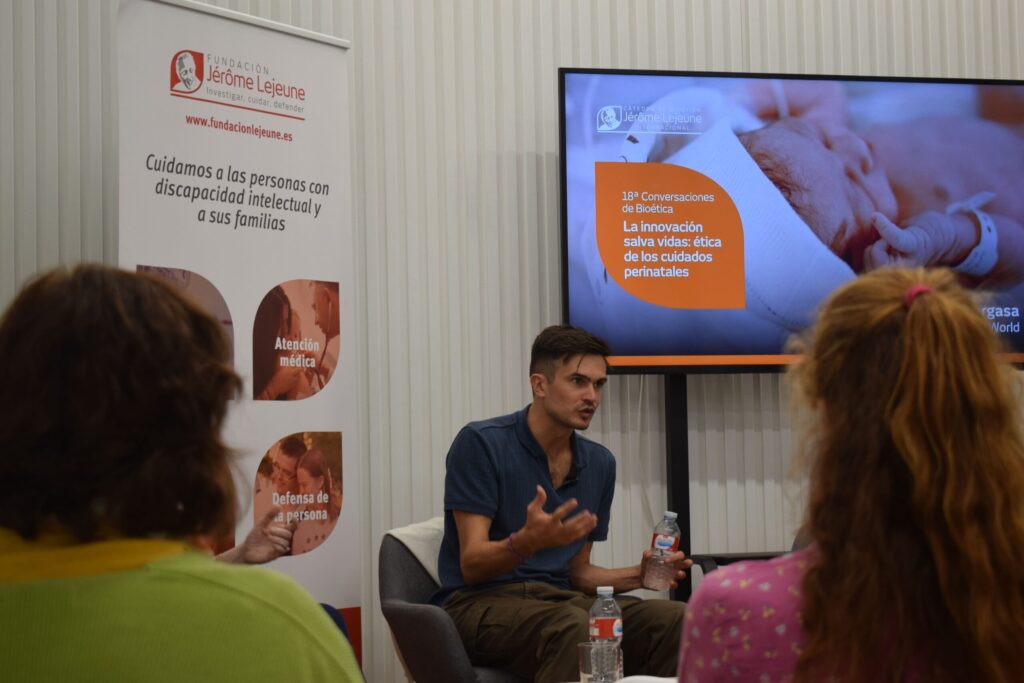
The moderator steered the conversation toward a decisive question: “Do we need to rethink what we mean by innovation?”.
The experience of IncuNest, the project’s low-cost neonatal incubator, brings this question into focus through real and pressing needs. In hospitals with limited resources, the value of a technology also depends on whether it can reach those who need it, be used effectively, and be maintained over time.
Pablo suggested that innovation should be guided by the impact it can have on people’s lives. There are needs, he reminded the audience, “where lives are at stake, but there is no financial return”. Addressing them requires finding support and building partnerships that make a response possible.
From the very beginning, Dr. Pilar had put forward the guiding principle of the event: “How can we put innovation at the service of the human person?”. This also means serving those born in places where access to care is more difficult.
Dr. Elena Postigo identified one of the major challenges of biomedical innovation: ensuring that advances do not widen the gap between those who can access them and those who are left behind. Technological capabilities open up new possibilities; making them accessible requires decisions about priorities, resources, solidarity, and cooperation.
Price also has an ethical dimension
“To what extent is the affordability of technology also an ethical issue?” the moderator asked.
“It is a fundamental ethical issue”, Dr. Postigo replied. The price of a technology determines who can benefit from it. For this reason, she explained, accessibility requires criteria based on justice and solidarity, as well as collaboration among different social stakeholders (engineers, companies, nongovernmental organizations, political institutions, physicians, scientists, and others).
Pablo then introduced a challenge the project is facing as it grows. For years, volunteer work made it possible to provide incubators at the cost of their materials alone. As requests increased, the project needed to move toward a professional structure, with people able to dedicate their working hours to the initiative and receive compensation.
How can the team be sustained while keeping the incubators accessible to organizations with fewer resources? The question was put to the audience. The president of a partner NGO, Cielo 133, explained that the initial cost had been decisive in enabling them to bring incubators to hospitals, and expressed concern about the financial effort that a higher price would entail.
Her contribution brought a real tension into focus: meeting needs today while ensuring that the project can continue providing support tomorrow. Pablo explained that they seek to adapt contributions to each organization’s financial capacity, while also securing new sources of support to sustain their work. “If an NGO can pay nothing, we still give them an incubator, even if we lose money”, he stated.
To make this possible, Medical Open World seeks donors and partnerships with companies and institutions willing to help fund the incubators and sustain the project. Among the challenges Pablo also highlighted is the high cost of the European conformity assessment process, which is necessary to access certain distribution and partnership opportunities and thereby extend the project’s reach.
The discussion showed that ensuring continuity of care also requires an organization capable of sustaining its work and a professionalized structure. Funding the team, supporting partner organizations, and ensuring fair working conditions for those involved in the project are all part of that responsibility.
An incubator within a network of care
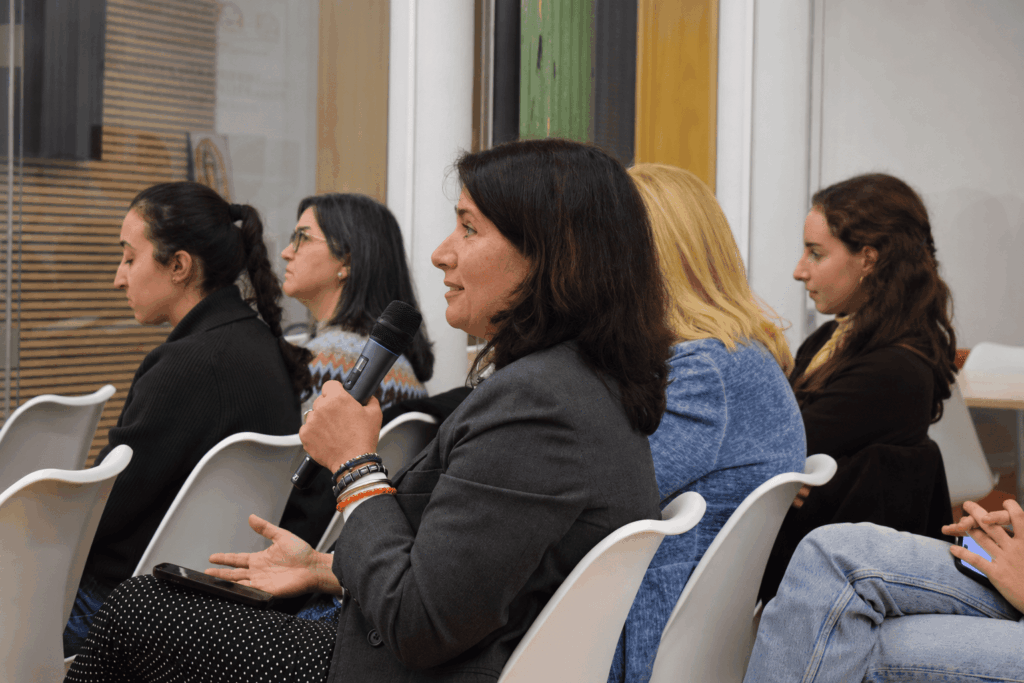
The Q&A session opened up new possibilities for collaboration. Neonatologist Dr. Felipe Garrido, from CUN Madrid, joined online to ask how perinatal medicine could contribute to improving the equipment and whether low-cost assisted ventilation devices could be developed.
Pablo shared some of the areas they are working on and highlighted the need for specialized guidance. He also acknowledged the limits of their current capacity: “The incubator is just one of the many tools needed in neonatology”.
This clarification brought the conversation back to the broader picture of care. Technology requires healthcare professionals, training, treatments, and follow-up. Pablo spoke candidly about the losses that also occur and the challenges that an incubator alone cannot overcome.
An attendee named Anabel brought another dimension to the discussion through her experience as the mother of two premature babies. She recalled the importance of talking to babies, singing to them, and supporting their families. Her testimony opened up a conversation about parental contact and closeness as an integral part of the care every newborn needs.
The discussion thus brought together engineering and human presence: the equipment that helps sustain life and the people who care for it.
The Extraordinary in Everyday Life
At the end of the event, Dr. García asked what message he would convey to healthcare professionals, researchers, and Bioethics experts about their responsibility toward the most vulnerable. Pablo returned to the value of every human life and to the contributions of those who had accompanied him along the way. He spoke about his parents and the everyday, often unseen dedication that had also helped make the project possible.
“I believe that there is something extraordinary in what is ordinary, ,he said. His words captured the experience shared throughout the conversation: a nurse who decides to try to care for a baby, a student who makes a component, a family that contributes its savings, or a professional who offers their expertise. Concrete actions that allow innovation to reach an individual human being.
For Pablo, this remains the project’s guiding measure: “The main goal of this project is to save as many babies as possible”. The bioethical reflection woven throughout his testimony gave this purpose deeper meaning: recognizing the value of every human life and working to ensure that each person’s need for care receives a real, accessible, and humane response.
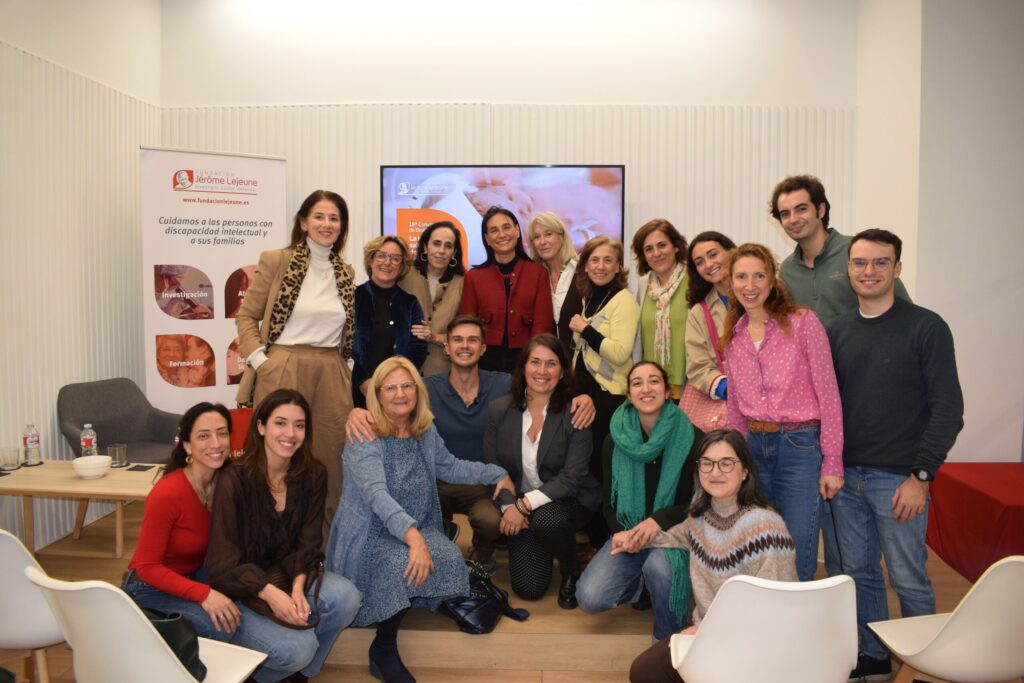
At the International Chair of Bioethics Jérôme Lejeune, we are delighted to welcome such a meaningful project to our headquarters, one that is so closely aligned with Professor Lejeune’s legacy: promoting the dignity of every human life and caring for it from the moment of conception until natural death. We share the same vision and hope that the enthusiasm and inspiration sparked by Pablo Sánchez Bergasa’s example through IncuNest will help the project achieve its goals: saving more lives, especially in developing countries, where the need is greatest. We offer him our heartfelt congratulations, admiration, and gratitude for his work, a profoundly human and ethical endeavor that upholds the values of dignity, justice, and solidarity.
