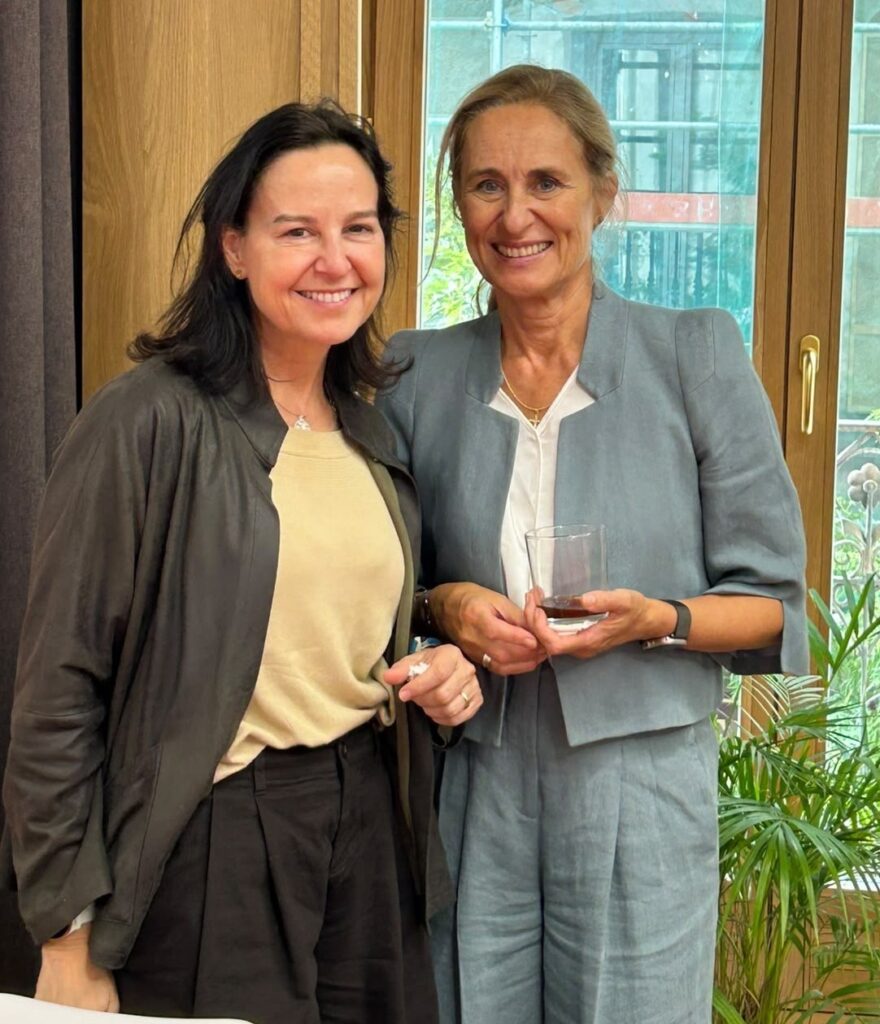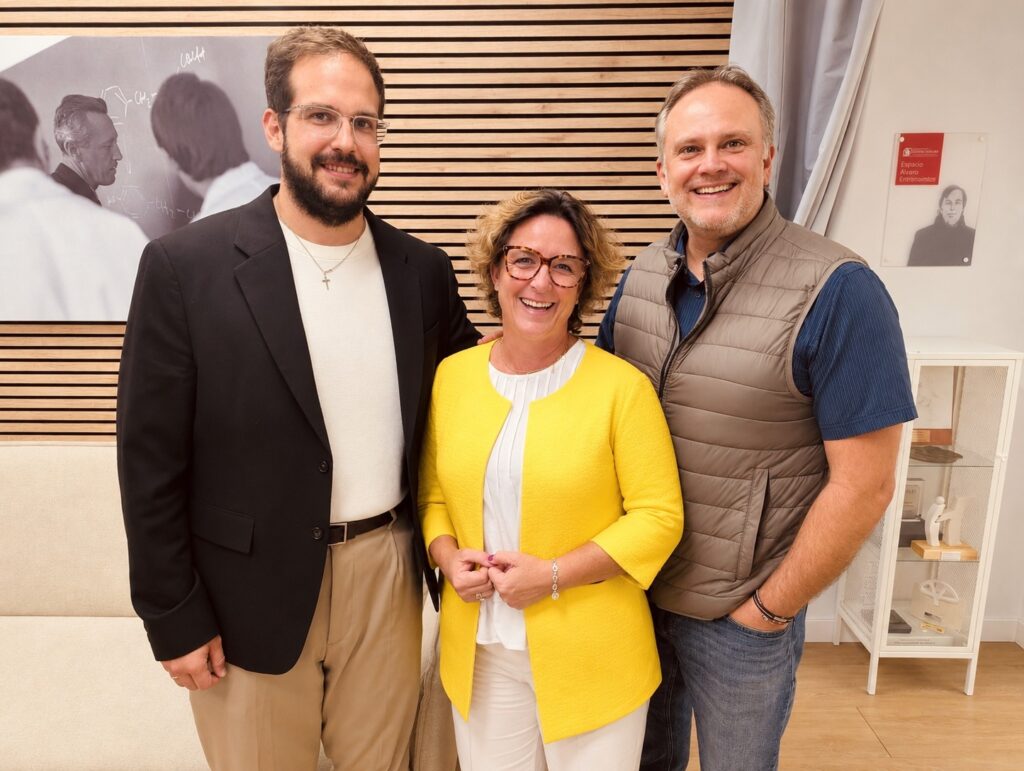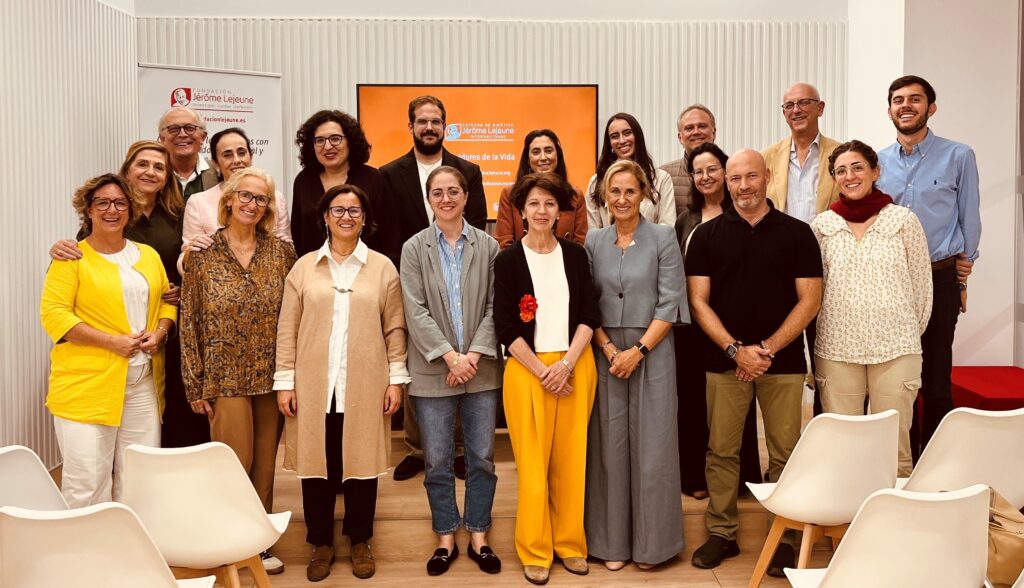
On Saturday, October 17, we held the annual alumni gathering of the Master’s Degree in Bioethics, jointly organized by Francisco de Vitoria University – International Chair of Bioethics Jérôme Lejeune.
Dr. Elena Postigo Solana and all of us at the International Chair of Bioethics Jérôme Lejeune would like to thank Professor Ángel Barahona for his presentation on Peter Thiel’s technocratic paradigm and new messianism in the light of Magnifica Humanitas.
Professor Barahona offered a particularly thought-provoking critical reflection:
“Peter Thiel’s technocratic paradigm is the idea that the future should be guided by an elite of technology entrepreneurs, engineers, and investors, with little democratic oversight. It is called ‘new messianism’ because it presents technology, especially AI, biotechnology, and space exploration, as a force for salvation, and technology founders as those called to redeem humanity.
Thiel starts from a deep distrust of representative democracy and bureaucracy, arguing that they have held back technological progress and that politics no longer offers any vision of the future. He therefore proposes that entrepreneurs and technological capital should be allowed broad freedom to operate beyond the constraints imposed by the state. His political model prioritizes the freedom to innovate and accumulate technological power over political equality.
It is messianic because technological progress ceases to be a tool and becomes a promise of redemption: AI and other technologies could overcome human limitations such as disease, scarcity, mortality, and even our biological condition. Technology company founders are portrayed as an exceptional minority capable of seeing the future before everyone else. Regulation, precaution, and global coordination are presented as obstacles to technological salvation. Religious language—Apocalypse, Antichrist, Armageddon, redemption—is used to describe today’s political and technological struggles.
In contrast to this technocratic paradigm, Magnifica Humanitas offers a perspective in which the human person is at the center and the common good is the ultimate goal. While technological ‘new messianism’ places salvation in innovation, capital, and an elite of founders capable of making decisions about humanity, Magnifica Humanitas affirms that no technological progress is truly human unless it improves the concrete lives of all people, especially the most vulnerable. Technology should not be an end in itself or a promise of redemption, but rather an instrument at the service of human dignity and the common good”.
Many thanks to everyone who joined us from the five graduating cohorts. What a joy it was to reconnect with students and professionals committed to science, reason, and the pursuit of truth—the fundamental pillars of personalist Bioethics.
We look forward to welcoming the Master’s Program’s sixth cohort, which begins in the coming days.
For many of them, Bioethics has changed their lives!
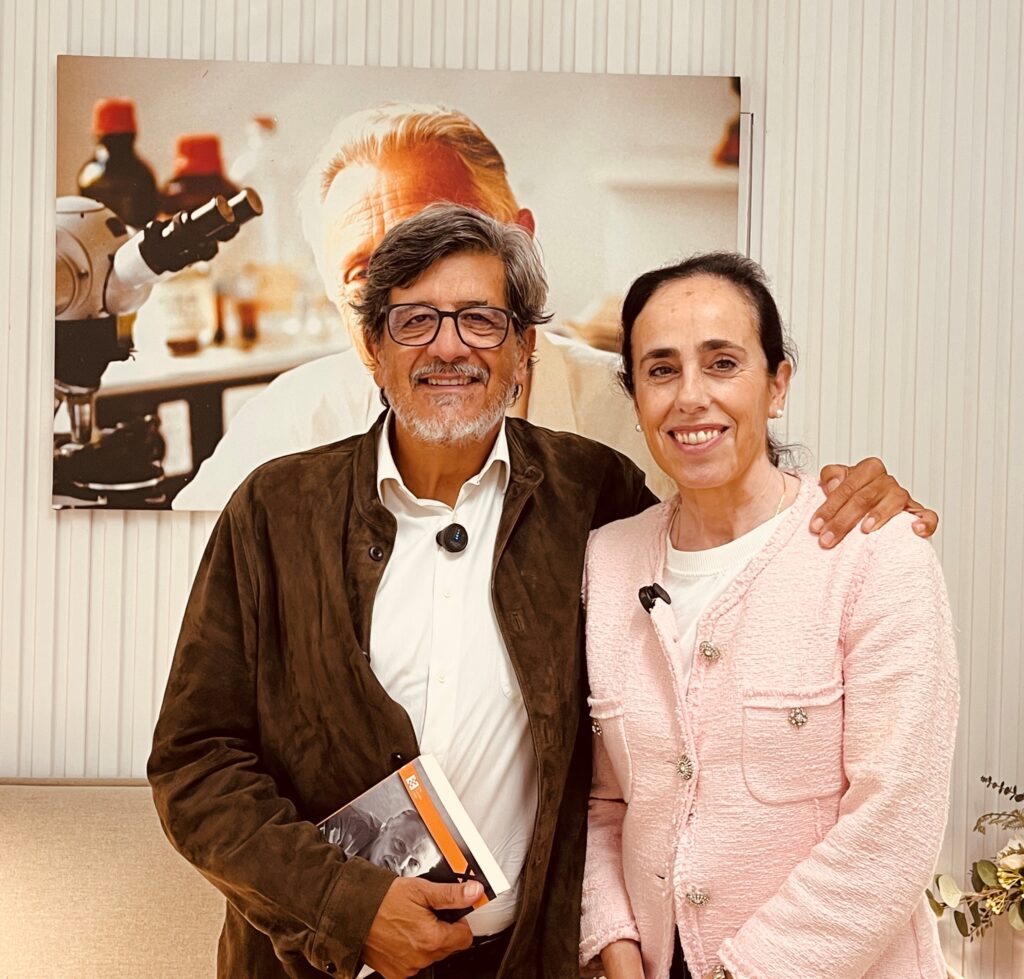
Would You Like to Relive the Gathering?
Listen again to Professor Ángel Barahona’s lecture on Peter Thiel’s technocratic paradigm and new messianism in the light of Magnifica Humanitas.